

- Republic of Macedonia
-
For other uses, see Macedonia.
Republic of Macedonia Република Македонија
Republika Makedonija

Flag Coat of arms Anthem:
Денес над Македонија
(English: "Today over Macedonia")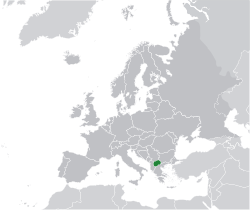 Location of Macedonia (green), with Europe (green + dark grey)
Capital
(and largest city)Skopje
42°0′N 21°26′E / 42°N 21.433°EOfficial language(s) Macedonian[1][2] Ethnic groups (2002) 65.2% Macedonians,
24.2% Albanians,
3.9% Turks,
2.7% Roma,
4.0% others and unspecified[3]Demonym Macedonian Government Parliamentary republic - President Gjorge Ivanov - Prime Minister Nikola Gruevski Independence from Yugoslavia - Independence declared 8 September 1991 - Officially recognized 8 April 1993 Area - Total 25,713 km2 (148th)
9,779 sq mi- Water (%) 1.9% Population - June 30, 2010[4] estimate 2,055,004 (142nd) - 2002 census 2,022,547 [3] - Density 82,2/km2 (113th)
205/sq miGDP (PPP) 2010 estimate - Total $19.996 billion[5] - Per capita $9,728[5] GDP (nominal) 2010 estimate - Total $9.108 billion[5] - Per capita $4,431[5] Gini (2008) 44.2[6] (medium) HDI (2011)  0.728[7] (high) (78th)
Currency Macedonian denar ( MKD)Time zone CET (UTC+1) - Summer (DST) CEST (UTC+2) Drives on the right Internet TLD .mk Calling code 389 1 Albanian is widely spoken in the west of the country. In some areas Turkish, Serbian, Romany and Aromanian are also spoken. Coordinates: 41°36′N 21°42′E / 41.6°N 21.7°E Macedonia (
 i/ˌmæsɨˈdoʊniə/ mas-i-doh-nee-ə; Macedonian: Македонија), officially the Republic of Macedonia (Република Македонија, transliterated: Republika Makedonija [rɛˈpublika makɛˈdɔnija] (
 listen)), is a country located in the central Balkan peninsula in Southeast Europe. It is one of the successor states of the former Yugoslavia, from which it declared independence in 1991. It became a member of the United Nations in 1993 but, as a result of a dispute with Greece over its name, it was admitted under the provisional reference of the former Yugoslav Republic of Macedonia,[8][9] sometimes abbreviated as FYROM.[10]
A landlocked country, the Republic of Macedonia is bordered by Kosovo[a] to the northwest, Serbia to the north, Bulgaria to the east, Greece to the south and Albania to the west.[11] It constitutes approximately the northwestern half of the larger geographical region of Macedonia, which also comprises parts of Greece and Bulgaria. The country's capital is Skopje, with 506,926 inhabitants according to a 2002 census. Other cities include Bitola, Kumanovo, Prilep, Tetovo, Ohrid, Veles, Štip, Kočani, Gostivar and Strumica. It has more than 50 lakes and sixteen mountains higher than 2,000 m (6,562 ft). Macedonia is a member of the UN and the Council of Europe. Since December 2005 it has also been a candidate for joining the European Union and has applied for NATO membership.
Contents
Etymology
The country's name derives from the Greek Μακεδονία (Makedonía),[12][13] a kingdom (later, region) named after the ancient Macedonians. Their name, Μακεδόνες (Makedónes), derives ultimately from the ancient Greek adjective μακεδνός (makednós), meaning "tall, taper",[14] which shares the same root as the noun μάκρος (mákros), meaning "length" in both ancient and modern Greek.[15] The name is originally believed to have meant either "highlanders" or "the tall ones",[13][16][17] possibly referring to the physical character of the ancient Macedonians and their mountainous land.
History
Main article: History of the Republic of MacedoniaAncient history of the territory
Main articles: Macedonia (region) and Paeonia (kingdom)
In antiquity, most of what is now the Republic of Macedonia was inhabited by Paeonians, a Thracian people,[18] whilst the northwest was inhabited by the Dardani and the southwest by tribes known historically as the Enchelae, Pelagones and Lyncestae; the latter two are generally regarded as Molossian or Upper Macedonian tribes, whilst the former two are considered Illyrian.[19][20][21][22][23][24]
After the early victories of Philip II of Macedon in 356 BC, he absorbed[25] the regions of Upper Macedonia into the Kingdom of Macedon, including Lynkestis, Pelagonia, and the southern part of Paeonia (Deuriopus), which now lie within the Republic of Macedonia.[26] Philip did not make the people of Upper Macedonia subject but instead made them equal to the Macedonians of Lower Macedonia.[25] Philip's son Alexander the Great conquered the remainder of the region, reaching as far north as the Danube, and incorporated it in his empire. The Romans established the Province of Macedonia in 146 BC. By the time of Diocletian, the province had been subdivided between Macedonia Prima and Macedonia Salutaris; most of country's modern boundaries fell within the latter, with the city of Stobi as the capital of Macedonia Salutaris.[27] Cities to the extreme north such as Scupi fell within the Province of Moesia.[28] Whilst Greek remained the dominant language in the south, Latin made significant inroads in Macedonia.[29]
Medieval period
Main article: South SlavsFurther information: Macedonia under the Ottoman Empire Sklaviniae in Medieval Macedonia c. 700 AD
During the 580s, Byzantine literature attests to the Slavs raiding Byzantine territories in the region of Macedonia, aided by Avars or Bulgars. Historical records document that in c.680 a group of Bulgars, Slavs and Byzantines led by a Bulgar called Kuber settled in the region of Keramisian plain, centred on the city of Bitola.[30] Presian's reign apparently coincides with the extension of Bulgarian control over the Slavic tribes in and around Macedonia. The Slavic peoples that settled in the region of Macedonia accepted Christianity as their own religion around the 9th century, during the reign of Tsar Boris I of Bulgaria.
In 1014, Emperor Basil II finally defeated the armies of Tsar Samuil of Bulgaria and by 1018 the Byzantines restored control over Macedonia (and all of the Balkans) for the first time since the 7th century. However, by the late 12th century, Byzantine decline saw the region contested by various political entities, including a brief Norman occupation in the 1080s.
In the early 13th century, a revived Bulgarian Empire gained control of the region. Plagued by political difficulties the empire did not last and the region came once again under Byzantine control in early 14th century. In the 14th century, it became part of the Serbian Empire, who saw themselves as liberators of their Slavic kin from Byzantine despotism. Skopje became the capital of Tsar Stefan Dusan's empire.
With Dusan's death, a weak successor appeared and power struggles between nobles divided the Balkans once again. This coincided with the entry of the Ottoman Turks into Europe. The Kingdom of Prilep was one of the short lived states that emerged from the collapse of the Serbian Empire in the 14th century.[31] With no major Balkan power left to defend Christianity, the central Balkans fell to Turkish rule — and remained under it for five centuries.
National awakening
Main article: Macedonian nationalism Nikola Karev, president of the short lived Krushevo Republic during the Ilinden Uprising
Ottoman rule over the region was considered harsh. With the beginning of the Bulgarian National Revival in 18 c. many of the reformers were from this region, including Miladinov Brothers,[32] Rajko Žinzifov, Joakim Krčovski,[33] Kiril Pejčinoviḱ[34] and others. The bishoprics of Skopje, Debar, Bitola, Ohrid, Veles and Strumica voted to join the Bulgarian Exarchate after it was established in 1870.[35]
Several movements whose goals were the establishment of autonomous Macedonia, encompassing the entire region of Macedonia, began to arise in the late 19th century; the earliest of these was the Bulgarian Macedonian-Adrianople Revolutionary Committees, later transformed to SMORO. In 1905 it was renamed as Internal Macedonian-Adrianople Revolutionary Organization (IMARO) and after World War I the organization separated into the Internal Macedonian Revolutionary Organization (IMRO) and the Internal Thracian Revolutionary Organisation (ITRO).
The early organization did not proclaim any ethnic identities; it was officially open to "...uniting all the disgruntled elements in Macedonia and the Adrianople region, regardless of their nationality..."[36] The majority of its members however were Macedonian Bulgarians[37] In 1903, IMRO organised the Ilinden-Preobrazhenie Uprising against the Ottomans, which after some initial successes, including the forming of the "Krushevo Republic", was crushed with much loss of life. The uprising and the forming of the Krushevo Republic are considered the cornerstone and precursors to the eventual establishment of the Macedonian state.
Kingdoms of Serbia and Yugoslavia

Following the two Balkan wars of 1912 and 1913 and the dissolution of the Ottoman Empire, most of its European held territories were divided between Greece, Bulgaria and Serbia. The territory of the modern Macedonian state was then named Južna Srbija, "Southern Serbia". After the First World War, Serbia became part of the Kingdom of Serbs, Croats and Slovenes. In 1929, the Kingdom was officially renamed the Kingdom of Yugoslavia and divided into provinces called banovinas. Southern Serbia, including all of what is now the Republic of Macedonia, became known as the Vardar Banovina of the Kingdom of Yugoslavia.
The concept of a United Macedonia was used by the Internal Macedonian Revolutionary Organization (IMRO) in the interbellum. Its leaders – like Todor Alexandrov, Aleksandar Protogerov, Ivan Mihailov, promoted the idea with the aim to liberate the territories occupied by Serbia and Greece and to create an independent and united Macedonia for all Macedonians, regardless of religion and ethnicity. The Bulgarian government of Alexander Malinov in 1918 offered to give Pirin Macedonia for that purpose after World War I,[38] but the Great Powers did not adopt this idea, because Serbia and Greece opposed.
IMRO followed by starting an insurgent war in Vardar Banovina, together with Macedonian Youth Secret Revolutionary Organization, which also conducted guerilla attacks against the Serbian administrative and army officials there. In 1923 in Stip a paramilitary organisation called Union against the Bulgarian bandits was formed by Serbian chetniks, IMRO renegades and Macedonian Federative Organization (MFO) members to oppose IMRO and MMTRO.[39]
Yugoslav Macedonia in World War II
History of the
Republic of Macedonia
This article is part of a seriesChronological Ottoman Macedonia Karposh's Rebellion National awakening Ilinden Uprising Kruševo Republic Vardar Banovina National Liberation War Anti-Fascist Assembly (ASNOM) National Liberation Front Exodus from Northern Greece Socialist Republic of Macedonia 1963 Skopje earthquake Republic of Macedonia 2001 Insurgency in Macedonia Ohrid Agreement Topical Military history Demographics History of the Macedonian people Related Region of Macedonia Naming Dispute Public Holidays
Republic of Macedonia Portal
Main article: National Liberation War of Macedonia Metodija Andonov Chento greeted in Skopje after the National Liberation War of Macedonia in 1944.
During World War II, Yugoslavia was occupied by the Axis Powers from 1941 to 1945. The Vardar Banovina was divided between Bulgaria and Italian-occupied Albania. Bulgarian Action Committees were established and prepared the region for the new Bulgarian administration and army.[40] The Committees were mosltly formed by former members of IMRO, but some communists like Panko Brashnarov, Strahil Gigov and Metodi Shatorov also participated.
Shatorov as leader of Vardar Macedonia communists switched from Yugoslav Communist Party to Bulgarian Communist Party[41][42] and refused to start military action against the Bulgarian army.[43] Bulgarian authorities, under German pressure,[44] were responsible for the round-up and deportation of over 7,000 Jews in Skopje and Bitola.[45] Harsh rule by the occupying forces encouraged many Macedonians to support the Communist Partisan resistance movement of Josip Broz Tito after 1943,[46] and the National Liberation War ensued, with German forces being driven out of Macedonia by the end of 1944.
In Vardar Macedonia, after Bulgarian coup d'état of 1944 the Bulgarian troops, surrounded by German forces, fought their way back to the old borders of Bulgaria. Under the leadership of the new Bulgarian pro-Soviet government, four armies, 455,000 strong in total, were mobilized and reorganized. Most of them reentered occupied Yugoslavia in the early October 1944 and moved from Sofia to Niš, Skopje and Pristina with the strategic task of blocking the German forces withdrawing from Greece.[47] Compelled by the Soviet Union with a view towards the creation of a large South Slav Federation, Bulgarian government once again offered to give Pirin Macedonia to such a United Macedonia in 1945.
Socialist Yugoslavia
Main article: Socialist Republic of Macedonia
 Macedonia (dark red) was one of the republics within the Socialist Yugoslavia.
In 1944 the Anti-Fascist Assembly for the National Liberation of Macedonia (ASNOM) proclaimed the People's Republic of Macedonia as part of the People's Federal Republic of Yugoslavia. ASNOM remained an acting government until the end of the war. The Macedonian alphabet was codified by linguists of ASNOM, who based their alphabet on the phonetic alphabet of Vuk Stefanović Karadžić and the principles of Krste Petkov – Misirkov.
The new republic became one of the six republics of the Yugoslav federation. Following the federation's renaming as the Socialist Federal Republic of Yugoslavia in 1963, the People's Republic of Macedonia was likewise renamed, becoming the Socialist Republic of Macedonia. During the civil war in Greece (1946–1949) Macedonian communist insurgents supported the Greek communists. Many refugees later came in Socialist Republic of Macedonia from there. The state dropped the "Socialist" from its name in 1991 when it peacefully seceded from Yugoslavia.
Declaration of independence
The country officially celebrates 8 September 1991 as Independence day (Macedonian: Ден на независноста, Den na nezavisnosta), with regard to the referendum endorsing independence from Yugoslavia, albeit legalising participation in future union of the former states of Yugoslavia. The anniversary of the start of the Ilinden Uprising (St. Elijah's Day) on 2 August is also widely celebrated on an official level as the Day of the Republic.
Robert Badinter as a head of Arbitration Commission of the Peace Conference on the former Yugoslavia recommended EC recognition in January 1992.[48]
Macedonia remained at peace through the Yugoslav wars of the early 1990s. A few very minor changes to its border with Yugoslavia were agreed upon to resolve problems with the demarcation line between the two countries. However, it was seriously destabilised by the Kosovo War in 1999, when an estimated 360,000 ethnic Albanian refugees from Kosovo took refuge in the country. Although they departed shortly after the war, soon after, Albanian nationalists on both sides of the border took up arms in pursuit of autonomy or independence for the Albanian-populated areas of Macedonia.
Albanian insurgency
Main article: Insurgency in the Republic of MacedoniaA civil war was fought between government and ethnic Albanian insurgents, mostly in the north and west of the country, between March and June 2001. The war ended with the intervention of a NATO ceasefire monitoring force. Under the terms of the Ohrid Agreement, the government agreed to devolve greater political power and cultural recognition to the Albanian minority. The Albanian side agreed to abandon separatist demands and to fully recognise all Macedonian institutions. In addition, according to this accord, the NLA were to disarm and hand over their weapons to a NATO force.
Geography
Main article: Geography of the Republic of Macedonia Korab, the tallest mountain in Macedonia
Macedonia has a total area of 25,713 km2 (9,928 sq mi). It lies between latitudes 40° and 43° N, and mostly between longitudes 20° and 23° E (a small area lies east of 23°). Macedonia has some 748 km (465 mi) of boundaries, shared with Serbia (62 km or 39 mi) to the North, Kosovo (159 km or 99 mi) to the northwest, Bulgaria (148 km or 92 mi) to the east, Greece (228 km or 142 mi) to the south, and Albania (151 km or 94 mi) to the west. It is a transit way for shipment of goods from Greece, through the Balkans, towards Eastern, Western and Central Europe and through Bulgaria to the East. It is part of a larger region also known as Macedonia, which also includes a region of northern Greece known by the same name; and the Blagoevgrad province in southwestern Bulgaria.
Topography
Main article: Mountains of the Republic of MacedoniaMacedonia is a landlocked country that is geographically clearly defined by a central valley formed by the Vardar river and framed along its borders by mountain ranges. The terrain is mostly rugged, located between the Šar Mountains and Osogovo, which frame the valley of the Vardar river. Three large lakes — Lake Ohrid, Lake Prespa and Dojran Lake — lie on the southern borders, bisected by the frontiers with Albania and Greece. Ohrid is considered to be one of the oldest lakes and biotopes in the world.[49] The region is seismically active and has been the site of destructive earthquakes in the past, most recently in 1963 when Skopje was heavily damaged by a major earthquake, killing over 1,000.
Macedonia also has scenic mountains. They belong to two different mountain ranges: the first is the Šar Mountains[50][51] that continues to the West Vardar/Pelagonia group of mountains (Baba Mountain, Nidže, Kozuf and Jakupica), also known as the Dinaric range. The second range is the Osogovo–Belasica mountain chain, also known as the Rhodope range. The mountains belonging to the Šar Mountains and the West Vardar/Pelagonia range are younger and higher than the older mountains that are part of the Osogovo-Belasica mountain group.
Hydrography
In the Republic of Macedonia there are 1,100 larger sources of water. The rivers flow into three different basins: the Aegean, the Adriatic and the Black Sea basin.[52]
The Aegean basin is the largest. It covers 87% of the territory of the Republic, which is 22,075 km. sq. Vardar, the largest river in this basin, drains 80% of the territory or 20,459 km. sq. Its valley plays an important part in the economy and the communication system of the country. The project named 'The Vardar Valley' is considered to be crucial for the strategic development of the country.
The river Black Drin forms the Adriatic basin, which covers an area of about 3,320 km. sq., i. e. 13% of the territory. It receives water from Lakes Prespa and Ohrid.
The Black Sea basin is the smallest with only 37 km. sq. It covers the northern side of Mount Skopska Crna Gora. This is the source of the river Binachka Morava, which joins the Morava, and later, the Danube which flows into the Black Sea.
Even though it is a landlocked country, Macedonia has three lakes and around fifty ponds. Lake Ohrid, Lake Prespa and Lake Dojran are the three natural lakes of the country.
The Macedonian word for spa is бања, transliterated as banja. In the country there are 9 spa towns and resorts: Banište, Banja Bansko, Istibanja, Katlanovo, Kežovica, Kosovrasti, Banja Kočani, Kumanovski Banji and Negorci.
Climate
See also: Climate of the Republic of MacedoniaMacedonia has a transitional climate from Mediterranean to continental. The summers are hot and dry and the winters are moderately cold. Average annual precipitation varies from 1,700 mm (66.9 in) in the western mountainous area to 500 mm (19.7 in) in the eastern area. There are three main climatic zones in the country: temperate Mediterranean, mountainous and mildly Continental. Along the valleys of the Vardar and Strumica rivers, in the regions of Gevgelija, Valandovo, Dojran, Strumica and Radoviš the climate is temperate Mediterranean. The warmest regions are Demir Kapija and Gevgelija, where the temperature in July and August frequently exceeds 40 °C (104 °F). The mountainous climate is present in the mountainous regions of the country and it is characterised by long and snowy winters and short and cold summers. The spring is colder than the fall. The majority of Macedonia has a moderate continental climate with warm and dry summers and relatively cold and wet winters. There are 30 main and regular weather stations in the country.
National parks
The country has 3 national parks:
Name Established Size Map Picture Mavrovo 1948 731 km² 

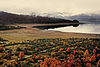
Galičica 227 km²
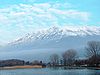
Pelister 1948 125 km²
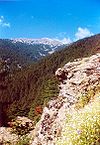
Flora
Main article: Flora of Macedonia Pinus peuce, the Macedonian Pine or Molika, one of Macedonia's most recognizable trees
The flora of Republic of Macedonia is represented with around 210 families, 920 genera, and around 3,700 plant species. The most abundant group are the flowering plants with around 3,200 species, which is followed by mosses (350 species) and ferns (42).
Phytogeographically, Macedonia belongs to the Illyrian province of the Circumboreal Region within the Boreal Kingdom. According to the World Wide Fund for Nature (WWF) and Digital Map of European Ecological Regions by the European Environment Agency, the territory of the Republic can be subdivided into four ecoregions: the Pindus Mountains mixed forests, Balkan mixed forests, Rhodopes mixed forests and Aegean sclerophyllous and mixed forests.
National Park of Pelister in Bitola is known for the presence of the endemic Macedonian Pine, as well as some 88 species of plants representing almost 30 percent of Macedonian dendroflora. The Macedonian Pine forests on Pelister are divided into two communities; pine forests with ferns and pine forests with junipers. The Macedonian Pine, as a specific conifer species, is a relict of tertiary flora and the five-needle pine Molika, was first noted on Pelister in 1893.
Macedonia's limited forest growth also includes Macedonian Oaks, the sycamore, weeping willows, white willows, alders, poplars, elms, and the common ash. Near the rich pastures on Šar Mountain and Bistra, Mavrovo, is another plant species characteristic of plant life in Macedonia—the poppy. The quality of thick poppy juice is measured worldwide by morphine units; while Chinese opium contains eight such units and is considered to be of high quality, Indian opium contains seven units, and Turkish opium only six, Macedonian opium contains a full 14 morphine units and is one of the best quality opium in the world.[53]
Fauna

 The Eurasian lynx and the Šarplaninec.Main article: Fauna of Macedonia
The fauna of Macedonian forests is abundant and includes bears, wild boars, wolves, foxes, squirrels, chamois and deer. The lynx is found, although very rarely, in the mountains of western Macedonia, while deer can be found in the region of Demir Kapija. Forest birds include the blackcap, the grouse, the black grouse, the imperial eagle and the forest owl.
The three artificial lakes of the country represent a separate fauna zone, an indication of long-lasting territorial and temporal isolation. The fauna of Lake Ohrid is a relict of an earlier era and the lake is widely known for its letnica trout, lake whitefish, gudgeon, roach, podust, and pior, as well as for certain species of snails of a genus older than 30 million years; similar species can only be found in Lake Baikal. Lake Ohrid is also noted in zoology texts for the European eel and its baffling reproductive cycle: it comes to Lake Ohrid from the distant Sargasso Sea, thousands of kilometres away, and lurks in the depths of the lake for 10 years. When sexually mature, the eel is driven by unexplained instincts in the autumn to set off back to its point of birth. There it spawns and dies, leaving its offspring to seek out Lake Ohrid to begin the cycle anew.
Domestic animals
The shepherd dog of Šar Mountain is known worldwide as Šarplaninec (Yugoslav shepherd). It stands some 60 centimeters tall and is a brave and fierce fighter that may be called upon to fight bears or wolf packs in guarding and defending flocks. The Šarplaninec originates from the shepherd's dog of the ancient Epirotes, the molossus, but the Šarplaninec was recognized as its own species in 1939 under the name of "Illyrian shepherd" and since 1956 has been known as Šarplaninec.
Politics
Main article: Politics of the Republic of MacedoniaMacedonia is a parliamentary democracy with an executive government composed of a coalition of parties from the unicameral legislature (Собрание, Sobranie) and an independent judicial branch with a constitutional court. The Assembly is made up of 120 seats and the members are elected every four years. The role of the President of the Republic is mostly ceremonial, with the real power resting in the hands of the President of the Government. The President is the commander-in-chief of the state armed forces and a president of the state Security Council. The President is elected every five years and he or she can be elected twice at most. On the second run of the presidential elections held on 5 April 2009, Gjorge Ivanov was elected as new Macedonian president.[54]
With the passage of a new law and elections held in 2005, local government functions are divided between 78 municipalities (општини, opštini; singular: општина, opština). The capital, Skopje, is governed as a group of ten municipalities collectively referred to as the "City of Skopje". Municipalities in Macedonia are units of local self-government. Neighbouring municipalities may establish co-operative arrangements.
The country's main political divergence is between the largely ethnically based political parties representing the country's ethnic Macedonian majority and Albanian minority. The issue of the power balance between the two communities led to a brief war in 2001, following which a power-sharing agreement was reached. In August 2004, Macedonia's parliament passed legislation redrawing local boundaries and giving greater local autonomy to ethnic Albanians in areas where they predominate.
After a troublesome pre-election campaign, Macedonia saw a relatively calm and democratic change of government in the elections held on 5 July 2006. The elections were marked by a decisive victory of the centre-right party VMRO-DPMNE led by Nikola Gruevski. Gruevski's decision to include the Democratic Party of Albanians in the new government, instead of the Democratic Union for Integration – Party for Democratic Prosperity coalition which won the majority of the Albanian votes, triggered protests throughout the parts of the country with a respective number of Albanian population. However, recently a dialogue was established between the Democratic Union for Integration and the ruling VMRO-DMPNE party as an effort to talk about the disputes between the two parties and to support European and NATO aspirations of the country.[55]
After the early parliamentary elections held in 2008, VMRO-DPMNE and Democratic Union for Integration formed a ruling coalition in Macedonia.[56]
In April 2009, presidential and local elections in the country were carried out peacefully, which was crucial for Macedonian aspirations to join the EU[57] The ruling conservative VMRO-DPMNE party won a victory in the local elections and the candidate supported by the party, Gjorgi Ivanov, was elected as the new Macedonian president.
Parliament
Main article: Assembly of the Republic of Macedonia The interior of the Parliament Building in Skopje
The Macedonian parliament or Sobranie (Macedonian: Собрание) is the country's legislative body. It makes, proposes and adopts laws. The 120 members are elected for a mandate of four years through a general election. Each Macedonian citizen that is above 18 years can vote for one of the Macedonian political parties. The current president of the Macedonian Parliament is Trajko Veljanovski.
Government
Executive power in Macedonia is exercised by the Government, whose prime minister is the most politically powerful person in the country. The members of the government are chosen by the Prime Minister and there are ministers for each branch of the society. There are ministers for economy, finance, information technology, society, internal affairs, foreign affairs and other areas. The members of the Government are elected for a mandate of four years. The current Prime Minister is Nikola Gruevski who is serving his third consecutive term in office.
Law and courts
Judiciary power is exercised by courts, with the court system being headed by the Judicial Supreme Court, Constitutional Court and the Republican Judicial Council. The assembly appoints the judges.
Foreign relations
Main article: Foreign relations of the Republic of Macedonia Embassy of the Republic of Macedonia in Washington, D.C.
Macedonia became a member state of the UN on 8 April 1993, eighteen months after its independence from Yugoslavia. It is referred to within the UN as "the former Yugoslav Republic of Macedonia", pending a resolution of the long-running dispute with Greece about the country's name.
The major interest of the country is a full integration in the European and the Trans-Atlantic integration processes. Five foreign policy priorities are:[58]
- NATO membership
- Commencing negotiations for full-fledged membership in the European Union
- Lifting the visa regime for Macedonian nationals
- Resolving the naming issue with Greece
- Strengthening the economic and public diplomacy
Macedonia is member of the following international and regional organizations:[59] IMF (since 1992), WHO (since 1993), EBRD (since 1993), Central European Initiative (since 1993), Council of Europe (since 1995), OSCE (since 1995), SECI (since 1996), WTO (since 2003), CEFTA (since 2006), La Francophonie (since 2001).
In 2005, the country was officially recognized as a European Union candidate state.
On the NATO summit held in Bucharest in April 2008, Macedonia failed to gain an invitation to join the organisation because Greece vetoed the move after the dispute over the name issue.[60] The USA had previously expressed support for an invitation,[61] but the summit then decided to extend an offer only on condition of a prior resolution of the conflict with Greece.
In March 2009 the European Parliament expressed support for Macedonia's EU candidacy and asked the EU Commission to grant the country a date for the start of accession talks by the end of 2009. The parliament also recommended a speedy lifting of the visa regime for Macedonian citizens.[62]
Naming dispute
Main article: Macedonia naming disputeAfter the breakup of Yugoslavia in 1991, the name of Macedonia became the object of a dispute between Greece and the newly independent Republic of Macedonia.[63] In the south, the Republic of Macedonia borders the region of Greek Macedonia, which administratively is split into three peripheries (one of them comprising both Western Thrace and a part of Greek Macedonia). Because of that, Greece raised the issue of possible territorial aspirations and also historical concerns regarding the association of the country with the history of the Greek region.
From 1992 to 1995, the two countries also engaged in a dispute over the Macedonian state's first flag, which incorporated the Vergina Sun symbol, a symbol associated with the ancient Kingdom of Macedon. Its adoption by Macedonia, on 3 July 1992, was seen as a reaction by Skopje to Athens' pressure to change the name. This aspect of the dispute was resolved when the flag was changed under the terms of an interim accord agreed between the two states in October 1995.

The UN adopted the provisional reference "the former Yugoslav Republic of Macedonia" (Macedonian: Поранешна Југословенска Република Македонија) when the country was admitted to the organization in 1993.[64] Most international organizations, such as the European Union, the European Broadcasting Union, and the International Olympic Committee, adopted the same convention.[65][66][67][68][69] NATO also uses the reference in official documents but adds an explanation on which member countries recognize the constitutional name.[70] The same reference is also used in any discussion to which Greece is a party[71]
However, most UN member countries have abandoned the provisional reference and have recognised the country as the Republic of Macedonia instead. These include four of the five permanent UN Security Council members—the United States,[72] Russia, United Kingdom and the People's Republic of China; several members of the European Union such as Bulgaria, Poland, and Slovenia; and over 100 other UN members.[73] The UN has set up a negotiating process with a mediator, Matthew Nimetz, and the two disputed parties, Macedonia and Greece, to try to mediate the dispute. Negotiations continue between the two sides but have yet to reach any settlement of the dispute.
Initially the European Community-nominated Arbitration Commission's opinion was that "the use of the name 'Macedonia' cannot therefore imply any territorial claim against another State";[74] despite the commission's opinion, Greece continued to object to the establishment of relations between the Community and the Republic under its constitutional name.[75]
In November 2008, Macedonia instituted proceedings before the International Court of Justice (ICJ) against Greece alleging violations of the 1995 Interim Accord that blocked its accession to NATO.[76] The ICJ is requested to order Greece to observe its obligations within the Accord, which is legally binding for both countries. The Macedonian side asserts that Article 11 of the 1995 accord obliges Greece not to object to Macedonia's application to join NATO and other international organizations, except if the country is going to be referred to in such organization with a name different than the provisional reference.[77]
In April 2009, the President-elect Gjorge Ivanov and opposition leader Zaev held a meeting about the name issue. Ivanov called for a state strategy regarding the negotiations with Greece on the name issue and also called for a reasonable compromise that will not bring harm to Macedonia's interests. The SDSM accepts a name with a geographic determinant that will replace the reference FYROM in the organizations where it is currently used and guarantee the country's constitutional name, national identity and language.[78] The government of Greece expressed support for the name ‘Republic of North Macedonia’ as the basis for resolving the name issue.[79]
In 2010, the Macedonian Human Rights Movement International (MHRMI) and the Australian Macedonian Human Rights Committee (AMHRC) have launched a campaign placing advertisements in newspapers and billboards across Macedonia "demanding an end to all negotiations with Greece over its name".[80]
Human rights
Main article: Human rights in the Republic of MacedoniaThe Republic of Macedonia is a signatory to the European Convention on Human Rights and the U.N. Geneva Convention relating to the Status of Refugees and Convention against Torture, and the Macedonian Constitution guarantees basic human rights to all Macedonian citizens.
There do however continue to be problems with human rights. According to human rights organisations, in 2003 there were suspected extrajudicial executions, threats and intimidation against human rights activists and opposition journalists and allegations of torture by the police.[81][82]
The country has problems with the human rights of its ethnic minorities. Although Albanians have recently been allowed to study in the Albanian language, before graduating from university they are required to pass a test of their comprehension and use of the Macedonian language.[83]
Military
Main article: Military of the Republic of Macedonia Macedonian Air Force Mi-24 helicopter
The Macedonian Armed Forces comprise the army, air force and Special Forces. The government's national defence policy aims to guarantee the preservation of the independence and sovereignty of the state, the integrity of its land area and airspace and its constitutional order. Its main goals remain the development and maintenance of a credible capability to defend the nation's vital interests and development of the Armed Forces in a way that ensures their interoperability with the armed forces of NATO and the European Union member states and their capability to participate in the full range of NATO missions.
The Ministry of Defence develops the defence strategy and works out the assessment of the possible threats and risks. The MOD is also responsible for the defence system, training, readiness of the Armed Forces, the equipment and the development and it proposes the defence budget.[84]
Economy
Main article: Economy of the Republic of MacedoniaRecently ranked as the fourth 'best reformatory state' out of 178 countries ranked by the World Bank, Macedonia has undergone considerable economic reform since independence.[85] The country has developed an open economy with trade accounting for more than 90% of GDP in recent years. Since 1996, Macedonia has witnessed steady, though slow, economic growth with GDP growing by 3.1% in 2005. This figure was projected to rise to an average of 5.2% in the 2006–2010 period.[86] The government has proven successful in its efforts to combat inflation, with an inflation rate of only 3% in 2006 and 2% in 2007[85] and has implemented policies focused on attracting foreign investment and promoting the development of Small and Medium-sized Enterprises (SMEs). The current government introduced a flat tax system with the intention of making the country more attractive to foreign investment. The flat tax rate was 12% in 2007 and was further lowered to 10% in 2008.[87][88]
Despite these reforms, as of 2005 Macedonia's unemployment rate was 37.2%[89] and as of 2006 its poverty rate was 22%.[86] Macedonia has one of the highest shares of people struggling financially, with 72% of its citizens stating that they could only manage on their household’s income ‘with difficulty’ or ‘with great difficulty', though Macedonia, along with Croatia, was the only country in the Western Balkans to not report an increase in this statistic.[90] Corruption and a relatively ineffective legal system also act as significant restraints on successful economic development. Macedonia still has one of the lowest per capita GDPs in Europe. Furthermore, the country's grey market is estimated at close to 20% of GDP.[91]
In terms of structure, as of 2005 the service sector constituted by far the largest part of GDP at 57.1%, up from 54.2% in 2000. The industrial sector represents 29.3% of GDP, down from 33.7% in 2000 while agriculture represents only 12.9%, up from 12%.[92] Textiles represent the most significant sector for trade, accounting for more than half of total exports.[93] Other important exports include iron, steel, wine and vegetables.[94]
With a GDP per capita of $9,157 at purchasing power parity and a Human Development Index of 0.701, Macedonia is less developed and has a considerably smaller economy than most of the former Yugoslav states.
According to Eurostat data, Macedonian PPS GDP per capita stood at 32 per cent of the EU average in 2008.[95]


 Some attractions of the country: Black Drim river (top) ; the village of Galičnik (middle) ;mosaic at Heraclea Lyncestis (bottom).
Infrastructure and e-infrastructure
Macedonia, together with Montenegro, Bosnia and Herzegovina and Kosovo, belonged to the less developed southern region of the former Yugoslavia. It suffered severe economic difficulties after independence, when the Yugoslav internal market collapsed and subsidies from Belgrade ended. In addition, it faced many of the same problems faced by other former socialist East European countries during the transition to a market economy. Its main land and rail exports route, through Serbia, remains unreliable with high transit costs, thereby affecting the export of its formerly highly profitable, early vegetables market to Germany. Macedonia's IT market increased 63.8% year on year in 2007, which is the Fastest Growing in the Adriatic Region.[96]
Trade and investment
The outbreak of the Yugoslav wars and the imposition of sanctions on Serbia and Montenegro caused great damage to the Republic's economy, with Serbia constituting 60% of its markets prior to the disintegration of Yugoslavia. When Greece imposed a trade embargo on the Republic in 1994–95, the economy was also affected. Some relief was afforded by the end of the Bosnian war in November 1995 and the lifting of the Greek embargo, but the Kosovo War of 1999 and the 2001 Albanian crisis caused further destabilisation. Since the end of the Greek embargo, Greece has become the country's most important business partner. (See also: Greek investments in the Republic of Macedonia). Many Greek companies have bought former state companies in Macedonia,[97] such as the oil refinery Okta, the baking company Zhito Luks, a marble mine in Prilep, textile facilities in Bitola etc., and employ 20,000 people. However, local cross-border trade between Greece and the Republic of Macedonia sees thousands of Greek shoppers crossing the border to purchase cheaper domestic products.[citation needed] Other key partners are Germany, Italy, the United States, Slovenia, Austria and Turkey.
Tourism
Main article: Tourism in MacedoniaTourism is an important part of the economy of the Republic of Macedonia. The country's large abundance of natural and cultural attractions make it an attractive destination of visitors. It receives about 700,000 tourists annually.[98]
Administrative regions
Main article: Statistical regions of MacedoniaMacedonia's statistical regions exist solely for legal and statistical purposes. The regions are:
 Macedonian statistical regions
Municipalities
Main article: Municipalities of the Republic of MacedoniaIn August 2004, the Republic of Macedonia was reorganised into 84 municipalities (opštini; sing. opština); 10 of the municipalities constitute the City of Skopje, a distinct unit of local self-government and the country's capital.
Most of the current municipalities were unaltered or merely amalgamated from the previous 123 municipalities established in September 1996; others were consolidated and their borders changed. Prior to this, local government was organised into 34 administrative districts, communes, or counties (also opštini).
Demographics
Main articles: Demographics of the Republic of Macedonia, List of cities in the Republic of Macedonia, and Macedonians (ethnic group)The last census data from 2002 shows a population of 2,022,547 inhabitants.[3] The last official estimate from 2009, without significant change, gives a figure of 2,050,671.[99] According to the last census data the largest ethnic group in the country are the Macedonians. The second largest group are the Albanians who dominated much of the northwestern part of the country. Some unofficial estimates indicate that in the Republic of Macedonia there are possibly up to 260,000 Roma.[100]
Cities
Largest cities in MacedoniaLargest cities of Republic of Macedonia
2002 Census resultsRank City Name Municipality Pop. Rank City Name Municipality Pop. 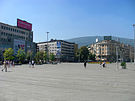
Skopje
1 Skopje Greater Skopje 506,926 11 Kavadarci Kavadarci Municipality 29,188 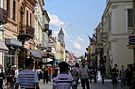
Bitola
2 Kumanovo Kumanovo Municipality 105,484 12 Kočani Kočani Municipality 28,330 3 Bitola Bitola Municipality 82,911 13 Kičevo Kičevo Municipality 27,067 4 Prilep Prilep Municipality 66,246 14 Struga Struga Municipality 16,559 5 Tetovo Tetovo Municipality 52,915 15 Radoviš Radoviš Municipality 16,223 6 Veles Veles Municipality 43,716 16 Gevgelija Gevgelija Municipality 15,685 7 Štip Štip Municipality 43,652 17 Debar Debar Municipality 14,561 8 Ohrid Ohrid Municipality 42,033 18 Kriva Palanka Kriva Palanka Municipality 14,558 9 Gostivar Gostivar Municipality 35,847 19 Sveti Nikole Sveti Nikole Municipality 13,746 10 Strumica Strumica Municipality 35,311 20 Negotino Negotino Municipality 13,284 The above table shows ethnic affiliation of the population according to the 2002 census:[3]Religion
Main article: Religion in the Republic of Macedonia Holy Trinity Orthodox church in Radoviš
 Mustapha Pasha Mosque in Skopje's Old Bazaar.
Orthodox Christianity is the majority faith of the Republic of Macedonia making up 64.7% of the population, the vast majority of which belong to the Macedonian Orthodox Church. Various other Christian denominations account for 0.37% of the population. Muslims comprise 33.3% of the population; Macedonia has the fourth-highest proportion of Muslims in Europe, after those of Kosovo (90%), Albania (80%), and Bosnia-Herzegovina (48%).[101] Most Muslims are Albanians, Turks, or Roma, although some are Macedonian Muslims. The remaining 1.63% is recorded as "unspecified" in the 2002 national census.[102]
Altogether, there are more than 1200 churches and 400 mosques in the country. The Orthodox and Islamic religious communities have secondary religion schools in Skopje. There is an Orthodox theological college in the capital. The Macedonian Orthodox Church has jurisdiction over 10 provinces (seven in the country and three abroad), has 10 bishops and about 350 priests. A total of 30,000 people are baptised in all the provinces every year.
There is a tension between the Macedonian and Serbian Orthodox Churches which arose from the former's separation and self-declared autocephaly in 1967. However, the Archbishop's Council of the Serbian Orthodox Church, with Decision No. 06/1959, has recognised the autonomy (self-dependence) of the Macedonian Orthodox Church. After the negotiations between the two churches were suspended, the Serbian Orthodox Church recognised a group led by Zoran Vraniškovski (also known as Archbishop Jovan of Ohrid, a former Macedonian church bishop, as the Archbishop of Ohrid.
The reaction of the Macedonian Orthodox Church was to cut off all relations with the new Ohrid Archbishopric and to prevent bishops of the Serbian Orthodox Church from entering Macedonia. Bishop Jovan was jailed for 18 months for "defaming the Macedonian Orthodox church and harming the religious feelings of local citizens" by distributing Serbian Orthodox church calendars and pamphlets.[103]
The Macedonian Byzantine Catholic Church has approximately 11,000 adherents in Macedonia. The Church was established in 1918, and is made up mostly of converts to Catholicism and their descendants. The Church is of the Byzantine Rite and is in communion with the Roman and Eastern Catholic Churches. Its liturgical worship is performed in Macedonian.[104]
There is a small Protestant community. The most famous Protestant in the country is the late president Boris Trajkovski. He was from the Methodist community, which is the largest and oldest Protestant church in the Republic, dating back to the late 19th century. Since the 1980s the Protestant community has grown, partly through new confidence and partly with outside missionary help.
The Macedonian Jewish community, which numbered some 7,200 people on the eve of World War II, was almost entirely destroyed during the war: only 2% of Macedonian Jews survived the Holocaust.[105] After their liberation and the end of the War, most opted to emigrate to Israel. Today, the country's Jewish community numbers approximately 200 persons, almost all of whom live in Skopje. Most Macedonian Jews are Sephardic – the descendants of 15th century refugees who had fled the Spanish and Portuguese Inquisitions.
According to the 2002 Census, 46.5% of the children aged 0–4 were Muslim.[106]
Languages
Main articles: Macedonian language and Languages in the Republic of MacedoniaThe official and most widely spoken language is Macedonian, which belongs to the Eastern branch of the South Slavic language group. Macedonian is closely related to and mutually intelligible with Standard Bulgarian. It also has some similarities with standard Serbian and the intermediate Torlakian and Shop dialects spoken mostly in southern Serbia and western Bulgaria (and by speakers in the north and east of Macedonia). The standard language was codified in the period following World War II and has accumulated a thriving literary tradition. Although it is the only language explicitly designated as an official national language in the constitution, in municipalities where at least 20% of the population is part of another ethnic minority, those individual languages are used for official purposes in local government, alongside Macedonian.
According to the last census, 1,344,815 Macedonian citizens declared that speak Macedonian, 507,989 citizens spoke Albanian, 71,757 citizens spoke Turkish, 38,528 citizens spoke Roma, 6,884 citizens spoke Aromanian, 24,773 citizens spoke Serbian, 8.560 citizens spoke Bosnian and 19,241 citizens spoke on other languages.[107]
A wide variety of languages are spoken in Macedonia, reflecting its ethnic diversity. Besides the official national language Macedonian, minority languages with substantial numbers of speakers are: Albanian, Romani, Turkish (including Balkan Gagauz[108]), Serbian/Bosnian and Aromanian (including Megleno-Romanian).[109][110][111][112][113][114] There are a few villages of Adyghe speakers and an immigrant Greek community.[115][116]
Science
Education
 The state university Ss. Cyril and Methodius in the capital Skopje
The Macedonian education system consists of:
- pre-school education
- primary
- secondary
- higher
The higher levels of education can be obtained at one of the five state universities: Ss. Cyril and Methodius University of Skopje, St. Clement of Ohrid University of Bitola, Goce Delčev University of Štip, State University of Tetovo and University for Information Science and Technology "St. Paul The Apostle" in Ohrid. There are a number of private university institutions, such as the European University,[117] Slavic University in Sveti Nikole, the South East European University and others.
The United States Agency for International Development has underwritten a project called "Macedonia Connects" which has made Macedonia the first all-broadband wireless country in the world. The Ministry of Education and Sciences reports that 461 schools (primary and secondary) are now connected to the internet.[118] In addition, an Internet Service Provider (On.net), has created a MESH Network to provide WIFI services in the 11 largest cities/towns in the country.
Society
Cinema and media
Main article: Cinema of the Republic of MacedoniaThe history of film making in the republic dates back over 110 years. The first film to be produced on the territory of the present-day the country was made in 1895 by Janaki and Milton Manaki in Bitola. Throughout the past century, the medium of film has depicted the history, culture and everyday life of the Macedonian people. Over the years many Macedonian films have been presented at film festivals around the world and several of these films have won prestigious awards. The first Macedonian feature film was "Frosina", released in 1952. The first feature film in colour was "Miss Stone", a movie about a Protestant missionary in Ottoman Macedonia. It was released in 1958. The highest grossing feature film in the Republic of Macedonia was Bal-Can-Can, having been seen by over 500,000 people in its first year alone.
The oldest newspaper in the country is Nova Makedonija from 1944. Other well known newspaper and magazines are: Utrinski Vesnik, Dnevnik, Vest, Vreme, Špic, Večer, Tea Moderna, Makedonsko Sonce, and Koha. Public channel is Macedonian Radio-Television founded in 1993 by the Assembly of the Republic of Macedonia. TEKO TV (1989) from Štip is the first private television channel in the country. Other popular private TV's also are: A1 TV, Sitel, Kanal 5, Telma, Alfa TV, Naša TV, Alsat-M, MTV Adria and etc.
In 1994 Milco Manchevski's film "Before the Rain" was nominated as Best Foreign Film. Manchevski continues to be the most prominent modern filmmaker in the country having subsequently written and directed "Dust" and "Shadows."
Culture
Main articles: Macedonian culture (ethnic group), Music of the Republic of Macedonia, and List of Macedonians (ethnic group) Robevi family house – typical Macedonian architecture
Macedonia has a rich cultural heritage in art, architecture, poetry, and music. It has many ancient, protected religious sites. Poetry, cinema, and music festivals are held annually. Macedonian music styles developed under the strong influence of Byzantine church music. Macedonia has a significant number of preserved Byzantine fresco paintings, mainly from the period between the 11th and 16th centuries. There are several thousands square metres of fresco painting preserved, the major part of which is in very good condition and represent masterworks of the Macedonian School of ecclesiastical painting.
The most important cultural events in the country are the Ohrid Summer festival of classical music and drama, the Struga Poetry Evenings which gather poets from more than 50 countries in the world, International Camera Festival in Bitola, Open Youth Theatre and Skopje Jazz Festival in Skopje etc. The Macedonian Opera opened in 1947 with a performance of Cavalleria rusticana under the direction of Branko Pomorisac. Every year, the May Opera Evenings are held in Skopje for around 20 nights. The first May Opera performance was that of Kiril Makedonski's Tsar Samuil in May 1972.[119]
Public holidays
Main article: Public holidays in the Republic of MacedoniaThe main public holidays in the Republic of Macedonia are:
Date English name Macedonian name Remarks 1–2 January New Year Нова Година, Nova Godina 7 January Christmas Day (Orthodox) Прв ден Божик, Prv den Božik March/April Good Friday (Orthodox) Велики Петок, Veliki Petok Ortodox Easter and other Easter dates do not match; see: Date of Easter March/April Easter Sunday (Orthodox) Прв ден Велигден, Prv den Veligden -"- March/april Easter Monday (Orthodox) Втор ден Велигден, Vtor den Veligden -"- 1 May Labour Day Ден на трудот, Den na trudot 24 May Saints Cyril and Methodius Day Св. Кирил и Методиј, Ден на сèсловенските просветители; Sv. Kiril i Metodij, Den na sèslovenskite prosvetiteli 2 August Day of the Republic Ден на Републиката, Den na Republikata Day when the Republic was established in 1944, also Ilinden uprising in 1903 and victory in Battle of Chaeronea in 338 BC.[citation needed] 8 September Independence Day Ден на независноста, Den na nezavisnosta Day of independence from Yugoslavia 11 October Revolution Day Ден на востанието, Den na vostanieto Beginning of Anti-fascist war during WWII in 1941 23 October Day of the Macedonian Revolutionary Struggle Ден на македонската револуционерна борба,Den na makedonskata revolucionarna borba Day when the Internal Macedonian Revolutionary Organization (IMRO) was established in 1893. 1 Shawwal Eid ul-Fitr Рамазан Бајрам, Ramazan Bajram moveable, see: Islamic Calendar 8 December Saint Clement of Ohrid Day Св. Климент Охридски, Sv. Kliment Ohridski Besides these, there are several major religious & minorities holidays. (See:Public holidays in the Republic of Macedonia)
Cuisine
Main article: Cuisine of the Republic of MacedoniaMacedonian cuisine is a representative of the cuisine of the Balkans—reflecting Mediterranean (Greek and Turkish) and Middle Eastern influences, and to a lesser extent Italian, German and Eastern European (especially Hungarian) ones. The relatively warm climate in Macedonia provides excellent growth conditions for a variety of vegetables, herbs and fruits. Thus, Macedonian cuisine is particularly diverse.
Famous for its rich Šopska salad, an appetizer and side dish which accompanies almost every meal, Macedonian cuisine is also noted for the diversity and quality of its dairy products, wines, and local alcoholic beverages, such as rakija. Tavče Gravče and mastika are considered the national dish and drink of the Republic of Macedonia, respectively.
Sport
 Macedonia basketball team at a time out during a match with Latvia
Football is the most popular sport in Macedonia. Macedonia national football team is the national football team of Macedonia and is controlled by the Football Federation of Macedonia. The home stadium of the National team is the Philip II Arena. The most popular Macedonian footballer is Goran Pandev, which currently plays for Internazionale. Apart from football, handball is the most important team sport in the country. 2002 Kometal Skopje won the European Cup EHF Women's Champions League. The European Women's Handball Championship took place in 2008 in Macedonia. The venues in which the tournament took place were located in Skopje and Ohrid. The Macedonian women's national handball team arrived here a seventh place. The Macedonian national basketball team represents the Republic of Macedonia in international basketball. The Macedonian national basketball team is run by the Basketball Federation of Macedonia, the governing body of basketball in Macedonia which was created in 1992 and joined FIBA in 1993. Macedonia has participated in three Eurobaskets since then with its best finish at 4th place in 2011. It plays its home games at the Boris Trajkovski Arena in Skopje. In the summer months The Ohrid Swimming Marathon is an annual event on Lake Ohrid and during the winter months there is skiing in Macedonia's winter sports centres. Macedonia also takes part in the Olympic Games. Participation in the Games is organized by the Macedonian Olympic Committee.[120]
Gallery
-
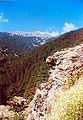
Pelister National Park.
-

Širok Sokak Street in Bitola.
-

Landscape of Mount Korab.
-

Paintings in St. Panteleimon Church.
-

Kratovo.
-

Beach near Ljubanista.
-

The city of Ohrid located on the shores of Lake Ohrid.
-

Church of St. Clement in Skopje.
-

Monastery of the Holy Mother of God Eleusa in Strumica.
-

The Dojran Lake in the town of Dojran.
-

Ishak Bey Mosque in Skopje's Old Bazaar.
International rankings
Organization Survey Ranking Institute for Economics and Peace Global Peace Index[121] 88 out of 144 Reporters Without Borders Worldwide Press Freedom Index 2009[122] 34 out of 175 The Heritage Foundation/The Wall Street Journal Index of Economic Freedom 2010[123] 56 out of 179 Transparency International Corruption Perceptions Index 2009[124] 71 out of 180 United Nations Development Programme Human Development Index 2009[125] 72 out of 182 See also
- Outline of the Republic of Macedonia
- Symbols of the Republic of Macedonia
- Telecommunications in the Republic of Macedonia
- Transport in the Republic of Macedonia
Notes
^ Kosovo is the subject of a territorial dispute between the Republic of Serbia and the self-proclaimed Republic of Kosovo. The latter declared independence on 17 February 2008, while Serbia claims it as part of its own sovereign territory. Its independence is recognised by 85 UN member states.
References
- ^ "The Macedonian language, written using its Cyrillic alphabet, is the official language in the Republic of Macedonia.", Article 7 of the Constitution of the Republic of Macedonia
- ^ "Languages Law passed in Parliament". macedoniaonline.eu. 26 July 2008. http://macedoniaonline.eu/content/view/2507/1/. Retrieved 27 July 2008. "Using the Badenter principles, the Parliament had passed the use of languages law that will touch all ethnicities in Macedonia. The law doesn't allow for use of Albanian or any other minority language as a second official language on Macedonia's territory."
- ^ a b c d "Census of Population, Households and Dwellings in the Republic of Macedonia, 2002 – Book XIII, Skopje, 2005.". State Statistical Office of the Republic of Macedonia. http://www.stat.gov.mk/pdf/kniga_13.pdf.
- ^ I bez popis ke se prebroime on Nova Makedonija
- ^ a b c d "Report for Selected Country". International Monetary Fund. http://www.imf.org/external/pubs/ft/weo/2011/01/weodata/weorept.aspx?sy=2008&ey=2011&scsm=1&ssd=1&sort=country&ds=.&br=1&c=962&s=NGDPD%2CNGDPDPC%2CPPPGDP%2CPPPPC%2CLP&grp=0&a=&pr.x=43&pr.y=15. Retrieved 30 January 2011.
- ^ "CIA – The World Factbook – Field Listing :: Distribution of family income – Gini index". Central Intelligence Agency. https://www.cia.gov/library/publications/the-world-factbook/fields/2172.html. Retrieved 31 December 2010.
- ^ "Human Development Report 2010". United Nations. 2010. http://hdr.undp.org/en/media/HDR_2010_EN_Table1.pdf. Retrieved 5 November 2010.
- ^ United Nations, A/RES/47/225, 8 April 1993
- ^ United Nations Security Council Resolutions 817 of 7 April and 845 June 18 of 1993, see UN resolutions made on 1993
- ^ FYROM on un.org
- ^ The Republic of Macedonia – BASIC FACTS, Republic of Macedonia, Ministry of foreign affairs
- ^ Μακεδονία, Henry George Liddell, Robert Scott, A Greek-English Lexicon, on Perseus
- ^ a b Macedonia, Online Etymology Dictionary
- ^ μακεδνός, Henry George Liddell, Robert Scott, A Greek-English Lexicon, on Perseus
- ^ μάκρος, Henry George Liddell, Robert Scott, A Greek-English Lexicon, on Perseus
- ^ Eugene N. Borza, Makedonika, Regina Books, ISBN 0941690652, p.114: The "highlanders" or "Makedones" of the mountainous regions of western Macedonia are derived from northwest Greek stock; they were akin both to those who at an earlier time may have migrated south to become the historical "Dorians".
- ^ Nigel Guy Wilson, Encyclopedia of Ancient Greece, Routledge, 2009, p.439: The latest archaeological findings have confirmed that Macedonia took it’s name from a tribe of tall, Greek-speaking people, the Makednoi.
- ^ Bauer, Susan Wise: The History of the Ancient World: From the Earliest Accounts to the Fall of Rome (2007), ISBN 039305974X, page 518: "... Italy); to the north, Thracian tribes known collectively as the Paeonians."
- ^ Wilkes, John: ''The Illyrians'', Wiley-Blackwell, 1996, ISBN 0631198075, p. 49. Google Books. 28 December 1995. http://books.google.com/books?id=4Nv6SPRKqs8C&pg=PA170&dq=illyrians+ohrid#PPA49,M1. Retrieved 6 June 2011.
- ^ Sealey, Raphael, ''A history of the Greek city states, ca. 700-338 B.C.'', University of California Press, 1976 ISBN 0520031776, p. 442. Google Books. 28 October 1976. http://books.google.com/books?id=kAvbhZrv4gUC&pg=PA442&dq=illyrian+lychnitis&lr=. Retrieved 6 June 2011.
- ^ Evans, Thammy, ''Macedonia,'' Bradt Travel Guides, 2007, ISBN 1841621862, p. 13. Google Books. http://books.google.com/books?id=4CpYot4N2PUC&pg=RA1-PA13&dq=dardania+today+republic+of+macedonia&lr=&hl=bg#PRA1-PA13,M1. Retrieved 6 June 2011.
- ^ Borza, Eugene N., ''In the shadow of Olympus: the emergence of Macedon,'' Princeton University Press, 1992, ISBN 0691008809, pp. 74–75. Google Books. http://books.google.com/books?id=614pd07OtfQC&pg=PA99&dq=early+macedonia+upper++thracian&lr=&hl=bg#PPA74,M1. Retrieved 6 June 2011.
- ^ Lewis, D.M. et al. (ed.), ''The Cambridge ancient history: The fourth century B.C.'', Cambridge University Press, 2000, ISBN 0521233488, pp. 723–724. Google Books. http://books.google.com/books?id=vx251bK988gC&pg=RA6-PA750&dq=ancient+macedon&lr=&hl=bg#PRA6-PA719-IA4,M1. Retrieved 6 June 2011.
- ^ The Cambridge Ancient History Volume 3, Part 3: The Expansion of the Greek World, Eighth to Sixth Centuries BC by John Boardman and N. G. L. Hammond,1982,ISBN 0521234476,page 284
- ^ a b Warfare in the ancient world: from the Bronze Age to the fall of Rome. By Stefan G. Chrissanthos, page 75
- ^ Poulton, Hugh, ''Who are the Macedonians?'' C. Hurst & Co. Publishers, 2000, ISBN 1850655340, p. 14. Google Books. 23 February 2000. http://books.google.com/books?id=ppbuavUZKEwC&pg=PA187&dq=dardania+today+republic+of+macedonia&lr=&hl=bg#PPA14,M1. Retrieved 6 June 2011.
- ^ A Companion to Ancient Macedonia, By Joseph Roisman and Ian Worthington, page 549
- ^ "Encyclopaedia Britannica – Scopje". Britannica.com. http://www.britannica.com/eb/article-9068124/Skopje. Retrieved 6 June 2011.
- ^ A History of Ancient Greek. A F Christidis. Pg 351
- ^ "Acta Sancti Demetrii", V 195–207, Гръцки извори за българската история, 3, стр. 159–166
- ^ Nicol, Donald Macgillivray (1993). The last centuries of Byzantium, (1261–1453) by Donald MacGillivray Nicol. Google Books. p. 500. ISBN 9780521439916. http://books.google.com/?id=y2d6OHLqwEsC&pg=PA275&dq=KINGDOM+OF+PRILEP&q=KINGDOM%20OF%20PRILEP. Retrieved 28 April 2010.
- ^ Phillips, John (2004). Macedonia: Warlords and Rebels in the Balkans. I.B.Tauris. p. 41. ISBN 186064841X.
- ^ Becoming Bulgarian: the articulation of Bulgarian identity in the nineteenth century in its international context: an intellectual history, Ost-European studies, Janette Sampimon, Pegasus, 2006, ISBN 9061433118, p. 234.
- ^ James Franklin Clarke, Dennis P. Hupchick – "The pen and the sword: studies in Bulgarian history", Columbia University Press, 1988, ISBN 0880331496, page. 221 (...Peichinovich of Tetovo, Macedonia, author of one of the first Bulgarian books...)
- ^ Gawrych, George Walter (2006). The Crescent and the Eagle: Ottoman Rule, Islam and the Albanians, 1874–1913. I.B.Tauris. p. 28. ISBN 1845112873.
- ^ M. Glenny, "The Balkans"
- ^ History of the Ottoman Empire and Modern Turkey: Volume 2, Reform, Revolution, and Republic: The Rise of Modern Turkey 1808–1975, by Stanford J. Shaw, 1977, Cambridge University Press, ISBN 9780521291668, p. 209. Books.google.bg. 27 May 1977. ISBN 9780521291668. http://books.google.com/?id=AIET_7ji7YAC&pg=PA209&lpg=PA209&dq=Internal+Macedonian+Revolutionary+Organization+BULGARIAN+IMRO. Retrieved 28 April 2010.
- ^ Gerginov, Kr., Bilyarski, Ts. Unpublished documents for Todor Alexandrov's activities 1910–1919, magazine VIS, book 2, 1987, p.214 – Гергинов, Кр. Билярски, Ц. Непубликувани документи за дейността на Тодор Александров 1910–1919, сп. ВИС, кн. 2 от 1987, с. 214.
- ^ Vassil Karloukovski. "Гиза, Антони, "Балканските държави и Македония", Македонски Научен Институт София, 2001 г". Promacedonia.org. http://www.promacedonia.org/ag/ag_4_6.html. Retrieved 28 April 2010.
- ^ Bulgarian Campaign Committees in Macedonia – 1941 Dimitre Mičev
- ^ Historical dictionary of the Republic of Macedonia, Valentina Georgieva, Sasha Konechni, Scarecrow Press, 1998, ISBN 0810833360, p. 223.
- ^ Who are the Macedonians? Hugh Poulton, C. Hurst & Co. Publishers, 1995, ISBN 1850652384, p.102. Books.google.bg. 1995. ISBN 9781850652380. http://books.google.com/?id=j_NbmSoRsRcC&pg=PA102&lpg=PA102&dq=Metodi+Shatorov+bulgarian+communist. Retrieved 28 April 2010.
- ^ Miller, Marshall Lee (1975). Bulgaria during the Second World War, Marshall Lee Miller, Stanford University Press, 1975, ISBN 0804708703, p. 131. Google Books. p. 314. ISBN 9780804708708. http://books.google.com/?id=HjSsAAAAIAAJ&pg=PA130&dq=Metodi+Shatarov+bulgarian+communist. Retrieved 28 April 2010.
- ^ Bulgaria managed to save its entire 48,000-strong Jewish population during World War II from deportation to concentration camps, but under German pressure those Jews from their newly annexed territories without Bulgarian citizenship were deported, such as those from Vardar Macedonia and Western Thrace. The Holocaust in Macedonia: Deportation of Monastir Jewry United States Holocaust Memorial Museum
- ^ Mark Cohen, The Holocaust in Macedonia: Deportation of Monastir Jewry, United States Holocaust Memorial Museum
- ^ This policy changed since 1943 with the arrival of the Tito's envoy Montenegrin Serb Svetozar Vukmanović-Tempo. He began in earnest to organise armed resistance to the Bulgarian rule and sharply criticized the Sharlo's pro-Bulgarian policy.At a meeting of the partisan brigades, as well as a group of battalions in the Resen region on 21 Dec 1943, Tempo makes the following comments about Shatorov and the leadership of the MCP: ...They thought that the Macedonian people were Bulgarians and that they were oppressed by the hegemony of Great Serbia and had to be transferred to Bulgaria. Their basic slogan is: "All non-Macedonians out of Macedonia". The capital J [Serbo-Croatian spelling of Yugoslavia, Yugoslavian, etc.] was deleted from all documents. In fact they did not want Yugoslavia, no matter where it stood politically. When the war started, the initial decision of this leadership was to be separate from Yugoslavia and from Tito. They declared that Macedonia would be free as soon as the Bulgarians came...
- ^ Axis Forces in Yugoslavia 1941-45, Nigel Thomas, K. Mikulan, Darko Pavlović, Osprey Publishing, 1995, ISBN 1855324733, p. 33.
- ^ "Recognition of States: Annex 3". Web.archive.org. Archived from the original on 15 February 2005. http://web.archive.org/web/20050215223455/http://www.ejil.org/journal/Vol4/No1/art8-02.html. Retrieved 28 April 2010.
- ^ "Macedonian Ministry of Environment". Web.archive.org. Archived from the original on 19 January 2008. http://web.archive.org/web/20080119010740/http://www.moe.gov.mk/soer2/ohrid_a.htm. Retrieved 28 April 2010.
- ^ Encyclopædia Britannica. "Britannica's article about Sar Mountains". Britannica.com. http://www.britannica.com/EBchecked/topic/523838/Sar-Mountains. Retrieved 28 April 2010.
- ^ "Sar Mountains on the Euratlas map of the Europe's most significant mountain ranges". Euratlas.com. http://www.euratlas.com/Atlasphys/Sarplanina2.htm. Retrieved 28 April 2010.
- ^ "Macedonia". Mymacedonia.net. http://www.mymacedonia.net/links/geography.htm. Retrieved 25 January 2010.
- ^ "Macedonian Flora". Macedonia.co.uk. http://www.macedonia.co.uk/client/index1.aspx?page=246. Retrieved 25 January 2010.
- ^ "Ivanov Elected New Macedonian President". BalkanInsight. http://www.balkaninsight.com/en/article/ivanov-elected-new-macedonian-president. Retrieved 28 April 2010.
- ^ "Ahmeti accepts the invitation for dialog with Gruevski". Limun.hr. http://limun.hr/en/main.aspx?id=127474. Retrieved 5 May 2009.
- ^ "VMRO-DPMNE and DUI form ruling coalition in Macedonia". SeTimes. http://www.setimes.com/cocoon/setimes/xhtml/en_GB/features/setimes/features/2008/07/08/feature-02. Retrieved 28 April 2010.
- ^ "Macedonia elections pass off peacefully". Irish Times. 3 March 2009. http://www.irishtimes.com/newspaper/breaking/2009/0322/breaking39.htm. Retrieved 28 April 2010.
- ^ "Republic of Macedonia, Ministry of foreign affairs". Mfa.gov.mk. http://www.mfa.gov.mk/default1.aspx?ItemID=308. Retrieved 5 May 2009.
- ^ "Republic of Macedonia, Ministry of foreign affairs". Mfa.gov.mk. http://www.mfa.gov.mk/default1.aspx?ItemID=314. Retrieved 5 May 2009.
- ^ M3 Web – http://m3web.bg+(3 April 2008). "Bulgaria: Macedonia Remains Out of NATO Because of Greek Veto over Name Dispute – Novinite.com – Sofia News Agency". Novinite.com. http://www.novinite.com/view_news.php?id=91875. Retrieved 5 May 2009.
- ^ "Greece stands by NATO veto threat for Macedonia". Thestar.com.my. http://thestar.com.my/news/story.asp?file=/2008/4/2/worldupdates/2008-04-02T203446Z_01_NOOTR_RTRMDNC_0_-328122-1&sec=Worldupdates. Retrieved 5 May 2009.
- ^ "EP Urges Accession Talks For Macedonia". BalkanInsight.com. http://www.balkaninsight.com/en/article/ep-urges-accession-talks-for-macedonia. Retrieved 5 May 2009.
- ^ Floudas, Demetrius Andreas; "A Name for a Conflict or a Conflict for a Name? An Analysis of Greece's Dispute with FYROM". 24 (1996) Journal of Political and Military Sociology, 285. 1996. http://findarticles.com/p/articles/mi_qa3719/is_199601/ai_n8752910/. Retrieved 11 February 2008.
- ^ "United Nations Resolution 225 (1993)". United Nations. 8 April 1993. http://www.un.org/documents/ga/res/47/a47r225.htm. Retrieved 28 April 2010.
- ^ European Commission. "Background information — The former Yugoslav Republic of Macedonia". Archived from the original on 23 December 2007. http://web.archive.org/web/20071223150634/http://ec.europa.eu/comm/competition/international/bilateral/background/mk1_en.html. Retrieved 1 October 2006.
- ^ European Broadcasting Union. "Members' Logos". http://www.ebu.ch/members/members_logos.php. Retrieved 1 October 2006.
- ^ "Analytical Report for the Opinion on the application from the former Yugoslav Republic of Macedonia for EU membership" (PDF). http://ec.europa.eu/enlargement/archives/pdf/key_documents/2005/package/sec_1425_final_analytical_report_mk_en.pdf. Retrieved 28 April 2010.
- ^ "Europa – The EU at a glance – Maps – FYROM". Europa (web portal). http://europa.eu/abc/maps/applicants/fyrom_en.htm. Retrieved 5 May 2009.
- ^ International Olympic Committee. "List of national olympic committees participating in the xix olympic winter games in salt lake city" (PDF). http://www.olympic.org/Documents/Reports/EN/en_report_258.pdf. Retrieved 1 October 2006.
- ^ North Atlantic Treaty Organisation. "The situation in the former Yugoslav Republic of Macedonia is critical". http://www.nato.int/docu/update/2001/0723/e0725a.htm. Retrieved 1 October 2006.
- ^ Bid to settle Macedonia name row, BBC
- ^ "US snubs Greece over Macedonia". BBC News. 4 November 2004. http://news.bbc.co.uk/2/hi/europe/3981499.stm. Retrieved 1 October 2006.
- ^ "Naming the solution", Kathimerini English edition, 16 September 2005
- ^ "European Journal of International Law". Web.archive.org. Archived from the original on 15 February 2005. http://web.archive.org/web/20050215223455/http://www.ejil.org/journal/Vol4/No1/art8-02.html. Retrieved 28 April 2010.
- ^ Floudas, Demetrius Andreas; "Pardon? A Name for a Conflict? FYROM's Dispute with Greece Revisited" (PDF). in: Kourvetaris et al. (eds.), The New Balkans, East European Monographs: Columbia University Press, 2002, p. 85. http://www.intersticeconsulting.com/documents/FYROM.pdf. Retrieved 24 July 2009.
- ^ By Davorin – Ljubljana. "Macedonia sues Greece for blocking NATO entry". France 24. http://www.france24.com/en/20081117-macedonia-sues-greece-blocking-nato-entry-membership-name. Retrieved 5 May 2009.
- ^ "Interim Accord". UN. 1995. http://untreaty.un.org/unts/120001_144071/6/3/00004456.pdf. Retrieved 14 March 2009.
- ^ "Macedonian Information Agency President-elect Ivanov meets SDSM acting leader". Mia.com.mk. http://www.mia.com.mk/default.aspx?vId=63914637&lId=2. Retrieved 28 April 2010.
- ^ H.E. Amb. Al. Mallias: Greece backs “Republic of Northern Macedonia”. Emportal, 15 April 2009.
- ^ TJ-Hosting (8 March 2011). "Macedonian Human Rights Movement International". MHRMI. http://www.mhrmi.org/our_name_is_macedonia/. Retrieved 6 June 2011.
- ^ "Amnesty International – Summary – Macedonia". Web.amnesty.org. http://www.amnesty.org/en/region/macedonia?page=2. Retrieved 6 June 2011.
- ^ Human Rights Watch – Campaigns – Conflict in Macedonia
- ^ "Human Rights Watch – Macedonia". Hrw.org. http://www.hrw.org/wr2k1/europe/macedonia.html. Retrieved 6 June 2011.
- ^ National Command Management
- ^ a b "Macedonia Country Brief". The World Bank. 24 April 2009. http://lnweb90.worldbank.org/eca/eca.nsf/Countries/Macedonia/fffd3db0d7306bfd85256c250061ac88?OpenDocument. Retrieved 5 May 2009.[not specific enough to verify]
- ^ a b "World Bank development data" (PDF). http://devdata.worldbank.org/AAG/mkd_aag.pdf. Retrieved 28 April 2010.
- ^ "Government of the Republic of Macedonia". Web.archive.org. Archived from the original on 27 January 2008. http://web.archive.org/web/20080127122623/http://www.vlada.mk/english/News/December2006/ei8-12-2006.htm. Retrieved 28 April 2010.
- ^ "Macedonia's Flat Tax". Nuwireinvestor.com. 15 February 2007. http://www.nuwireinvestor.com/articles/macedonias-new-flat-tax-51002.aspx. Retrieved 28 April 2010.
- ^ "Macedonian unemployment rate". Worldbank.org.mk. http://www.worldbank.org.mk/. Retrieved 28 April 2010.
- ^ Gallup Balkan Monitor, 2010
- ^ The 2006 CIA Factbook CIA Factbook Macedonia
- ^ "Welcome to World Bank Group". Web.archive.org. 18 January 2008. Archived from the original on 18 January 2008. http://web.archive.org/web/20080118004059/http://devdata.worldbank.org/. Retrieved 28 April 2010.
- ^ "Macedonian Embassy London". Macedonianembassy.org.uk. http://www.macedonianembassy.org.uk/economy.html. Retrieved 5 May 2009.
- ^ "Macedonian Ministry of Foreign Affairs". Mfa.gov.mk. 31 December 2005. http://www.mfa.gov.mk/default1.aspx?ItemID=290. Retrieved 28 April 2010.
- ^ "GDP per capita in PPS". Eurostat. http://epp.eurostat.ec.europa.eu/cache/ITY_PUBLIC/2-25062009-BP/EN/2-25062009-BP-EN.PDF. Retrieved 25 June 2009.
- ^ Investment in Government, Finance, and Telecom Sectors Makes Macedonia's IT Market the Fastest Growing in the Adriatic Region, Says IDC – IDC -global provider of market intelligence
- ^ "Greek investments in FYROM at 1 bil. Euros". Greekembassy.org. 16 July 2008. http://www.greekembassy.org/embassy/Content/en/Article.aspx?office=1&folder=19&article=24108. Retrieved 8 July 2009.
- ^ "101 facts about Macedonia". Faq.macedonia.org. http://faq.macedonia.org/information/101.html. Retrieved 28 April 2010.
- ^ "Macedonia - State Statistical Office". www.stat.gov.mk. http://www.stat.gov.mk/OblastOpsto_en.aspx?id=2.
- ^ UNDP's Regional Bureau for Europe
- ^ "CIA – The World Factbook – Bosnia and Herzegovina". Cia.gov. https://www.cia.gov/library/publications/the-world-factbook/geos/bk.html. Retrieved 5 May 2009.
- ^ "CIA World Factbook". Cia.gov. https://www.cia.gov/library/publications/the-world-factbook/geos/mk.html. Retrieved 6 June 2011.
- ^ "Church Rivalry Threatens to Brim Over". Iwpr.net. http://www.iwpr.net/?p=bcr&s=f&o=257037&apc_state=henibcr200508. Retrieved 5 May 2009.
- ^ David M. Cheney. "Catholic Church in Macedonia, The Former Yugoslav Republic of Catholic-Hierarchy]". Catholic-hierarchy.org. http://www.catholic-hierarchy.org/country/mk.html. Retrieved 5 May 2009.
- ^ "Blog Archives » Macedonia's Jewish Community Commemorates the Holocaust, and Embraces the Future". Balkanalysis.com. http://www.balkanalysis.com/2007/03/14/macedonia%E2%80%99s-jewish-community-commemorates-the-holocaust-and-embraces-the-future/. Retrieved 28 April 2010.
- ^ "naslovna-9PUB" (PDF). http://www.stat.gov.mk/publikacii/knigaIX.pdf. Retrieved 3 June 2011.
- ^ Macedonian census, language and religion
- ^ Gordon, Raymond G., Jr. (ed.) (2005). "Ethnologue: Languages of the World, Fifteenth edition". SIL International. http://www.ethnologue.com/show_country.asp?name=MK. Retrieved 3 November 2008.
- ^ "Core document forming part of the reports of States Parties : The Former Yugoslav Republic of Macedonia". United Nations High Commissioner for Human Rights. http://www.unhchr.ch/tbs/doc.nsf/0/974c7c980fa0cce7802566870032a38e?Opendocument. Retrieved 7 November 2008.
- ^ "Macedonia ethnic and linguistic minorities". Eurominority. http://www.eurominority.eu/version/eng/minority-state2.asp?id_states=28. Retrieved 7 November 2008.
- ^ "Map of the European languages". Eurominority. http://www.eurominority.eu/version/maps/map-european-languages.asp. Retrieved 7 November 2008.
- ^ "Indo-European languages in contemporary Eurasia". Encyclopædia Britannica. Encyclopædia Britannica Online. http://media-2.web.britannica.com/eb-media/83/1983-004-1B1C7082.gif. Retrieved 4 October 2008.
- ^ "BBC: Languages across Europe – Macedonia". BBC. http://www.bbc.co.uk/languages/european_languages/countries/macedonia.shtml. Retrieved 7 November 2008.
- ^ "Europe languages map". Eupedia. http://www.eupedia.com/europe/maps_of_europe.shtml#languages. Retrieved 7 November 2008.
- ^ Gordon, Raymond G., Jr. (ed.) (2005). "Ethnologue: Languages of the World, Fifteenth edition". SIL International. http://www.ethnologue.com/show_language.asp?code=ell. Retrieved 4 November 2008.
- ^ Gordon, Raymond G., Jr. (ed.) (2005). "Lewis, M. Paul (ed.), 2009. Ethnologue: Languages of the World, Sixteenth edition. Dallas, Tex.: SIL International. Online version: http://www.ethnologue.com/.". SIL International. http://www.ethnologue.com/show_country.asp?name=MK. Retrieved 13 July 2010. "Immigrant languages: Greek" "Adyghe [ady] A few villages in Macedonia. Alternate names: Adygey, West Circassian"
- ^ OIC.org.mk
- ^ "U.S. Agency for International Development". Macedonia.usaid.gov. http://www.usaid.gov/. Retrieved 5 May 2009.
- ^ "Macedonian Opera Marks 60th Anniversary. Culture – Republic of Macedonia". http://www.culture.in.mk/story.asp?id=19442&rub=35.
- ^ World InfoZone. "Macedonia Information". worldinfozone.com. http://worldinfozone.com/country.php?country=Macedonia&page=2. Retrieved 27 August 2010.
- ^ "Vision of Humanity". Vision of Humanity. http://www.visionofhumanity.org/. Retrieved 4 February 2010.
- ^ "Worldwide Press Freedom Index 2009". Rsf.org. 31 May 2011. Archived from the original on 6 November 2009. http://www.webcitation.org/5l4rO9dps. Retrieved 6 June 2011.
- ^ "Index of Economic Freedom 2010". Heritage.org. http://www.heritage.org/Index/Ranking.aspx. Retrieved 6 June 2011.
- ^ "Corruption Perceptions Index 2009". Transparency.org. 10 November 2010. http://www.transparency.org/policy_research/surveys_indices/cpi/2009/cpi_2009_table. Retrieved 6 June 2011.
- ^ "Human Development Index 2009". Hdr.undp.org. 4 November 2010. http://hdr.undp.org/en/statistics/. Retrieved 6 June 2011.
External links
- Official website
- Macedonia entry at The World Factbook
- Republic of Macedonia at the Open Directory Project
- Wikimedia Atlas of the Republic of Macedonia
- Republic of Macedonia travel guide from Wikitravel
 OpenStreetMap has geographic data related to Republic of Macedonia

 Kosovo
 Serbia
 Albania
 Bulgaria
 Macedonia

 Greece
Location Sovereign states and dependent territories of Europe Sovereign states - Albania
- Andorra
- Armenia
- Austria
- Azerbaijan
- Belarus
- Belgium
- Bosnia and Herzegovina
- Bulgaria
- Croatia
- Cyprus
- Czech Republic
- Denmark
- Estonia
- Finland
- France
- Georgia
- Germany
- Greece
- Hungary
- Iceland
- Ireland
- Italy
- Kazakhstan
- Latvia
- Liechtenstein
- Lithuania
- Luxembourg
- Macedonia
- Malta
- Moldova
- Monaco
- Montenegro
- Netherlands
- Norway
- Poland
- Portugal
- Romania
- Russia
- San Marino
- Serbia
- Slovakia
- Slovenia
- Spain
- Sweden
- Switzerland
- Turkey
- Ukraine
- United Kingdom
- Vatican City
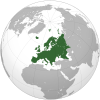
States with limited recognition Dependencies and
other territoriesDenmarkFinlandUnited KingdomBalkan countries Geographically fully located 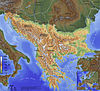
Significantly located Mostly outside of the peninsula See also 1 Declared independence from Serbia on February 17, 2008 and is recognised by 85 United Nations member states.Slavic Europe West Slavic South Slavic East Slavic  Belarus
 Russia
 Ukraine
 Transnistria (unrecognized)
International membership Council of Europe Institutions - Secretary General
- Committee of Ministers
- Parliamentary Assembly
- Congress
- Court of Human Rights
- Commissioner for Human Rights
- Commission for the Efficiency of Justice
- Commission against Racism and Intolerance
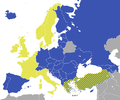
Members Full- Albania
- Andorra
- Armenia
- Austria
- Azerbaijan
- Belgium
- Bosnia and Herzegovina
- Bulgaria
- Croatia
- Cyprus
- Czech Republic
- Denmark
- Estonia
- Finland
- France
- Georgia
- Germany
- Greece
- Hungary
- Iceland
- Ireland
- Italy
- Latvia
- Liechtenstein
- Lithuania
- Luxembourg
- Macedonia1
- Malta
- Moldova
- Monaco
- Montenegro
- Netherlands
- Norway
- Poland
- Portugal
- Romania
- Russia
- San Marino
- Serbia
- Slovakia
- Slovenia
- Spain
- Sweden
- Switzerland
- Turkey
- Ukraine
- United Kingdom
ObserverFormer1 Provisionally referred to by the Council of Europe as "the former Yugoslav Republic of Macedonia"; see Macedonia naming dispute.Enlargement and partners of the European Union 
Previous enlargements 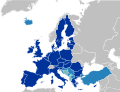
Candidates Applied Potential (SAA) Partnerships Eastern Partnership Northern Dimension Union for the Mediterranean Member states and observers of the Francophonie Members Albania · Andorra · Armenia · Belgium (French Community) · Benin · Bulgaria · Burkina Faso · Burundi · Cambodia · Cameroon · Canada (New Brunswick • Quebec) · Cape Verde · Central African Republic · Chad · Comoros · Cyprus1 · Democratic Republic of the Congo · Republic of the Congo · Côte d'Ivoire · Djibouti · Dominica · Egypt · Equatorial Guinea · France (French Guiana • Guadeloupe • Martinique • St. Pierre and Miquelon) · Gabon · Ghana1 · Greece · Guinea · Guinea-Bissau · Haiti · Laos · Luxembourg · Lebanon · Macedonia2 · Madagascar · Mali · Mauritania · Mauritius · Moldova · Monaco · Morocco · Niger · Romania · Rwanda · St. Lucia · São Tomé and Príncipe · Senegal · Seychelles · Switzerland · Togo · Tunisia · Vanuatu · VietnamObservers Austria · Croatia · Czech Republic · Dominican Republic · Georgia · Hungary · Latvia · Lithuania · Mozambique · Poland · Serbia · Slovakia · Slovenia · Thailand · Ukraine1 Associate member.
2 Provisionally referred to by the Francophonie as the "former Yugoslav Republic of Macedonia"; see Macedonia naming dispute.Members of the Central European Free Trade Agreement Albania · Bosnia and Herzegovina · Croatia · Kosovo/UNMIK · Macedonia · Moldova · Montenegro · Serbia
Categories:- Republic of Macedonia
- European countries
- Landlocked countries
- Member states of La Francophonie
- Republics
- Slavic countries
- States and territories established in 1991
- Member states of the United Nations





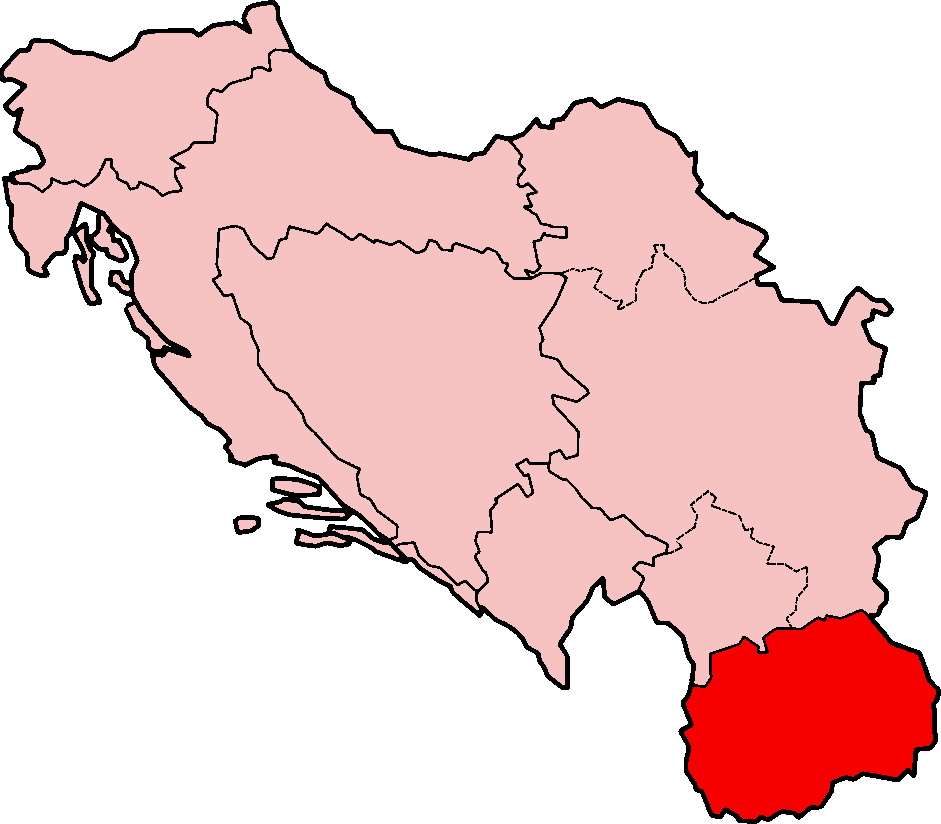
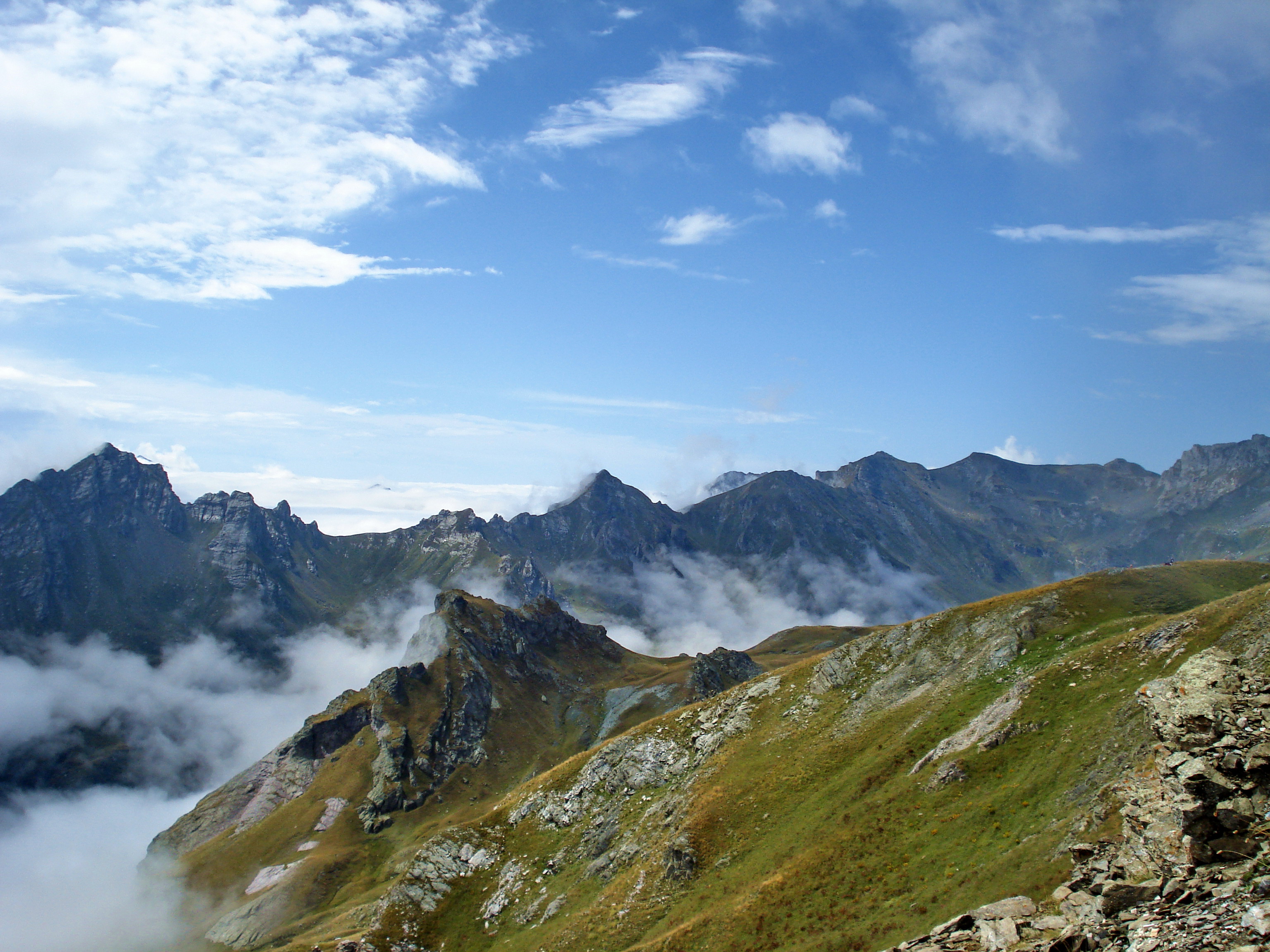
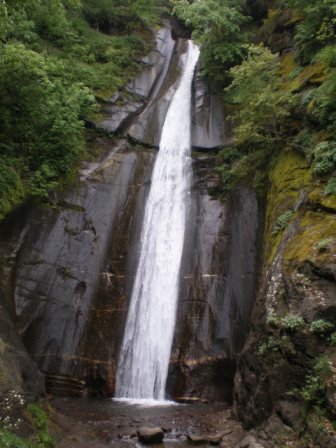
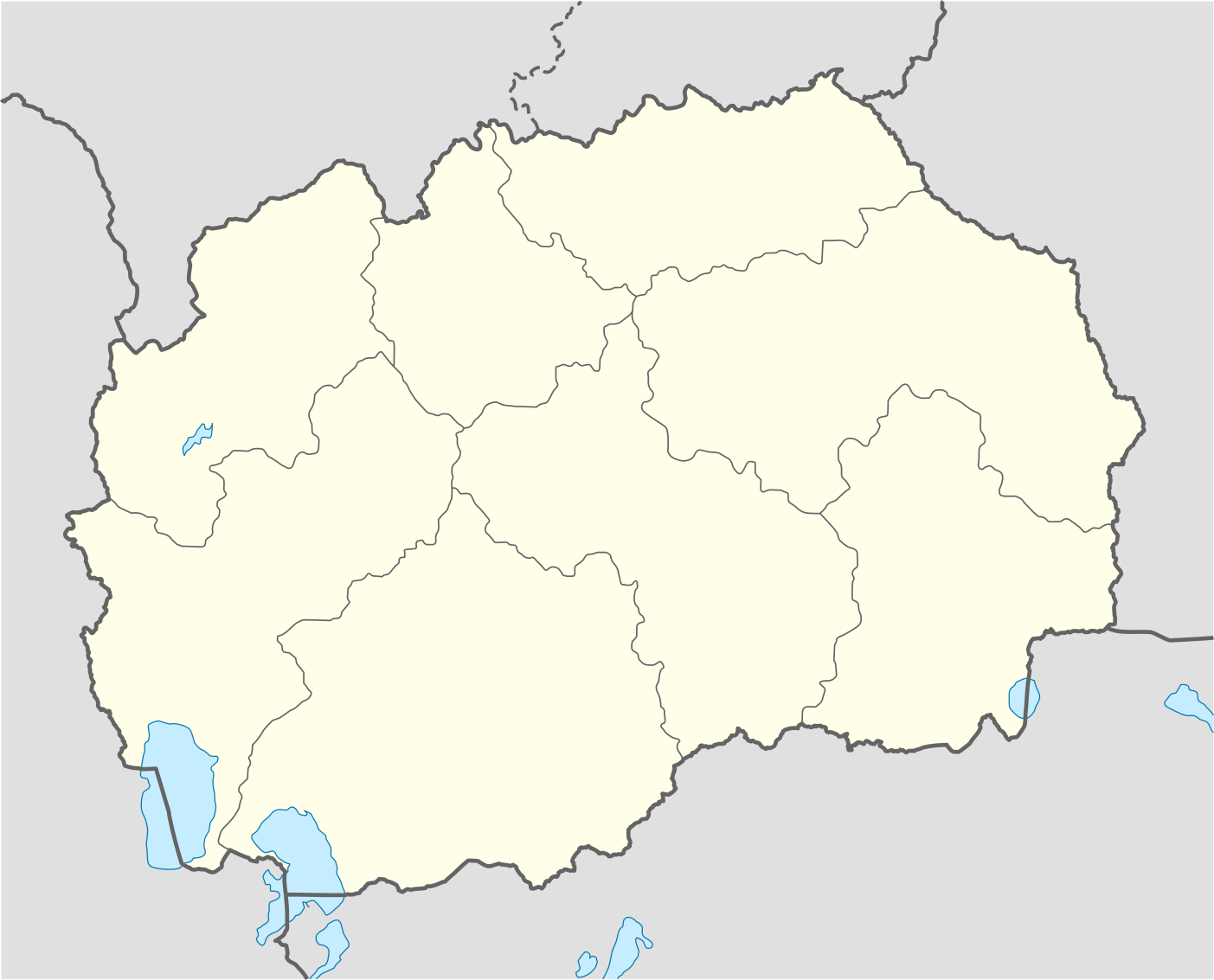

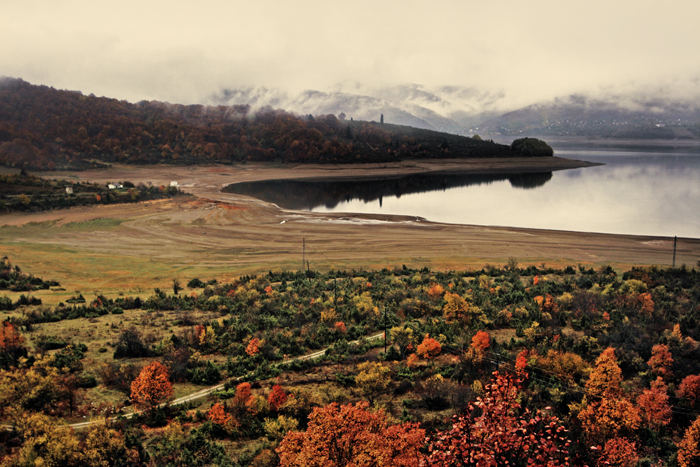


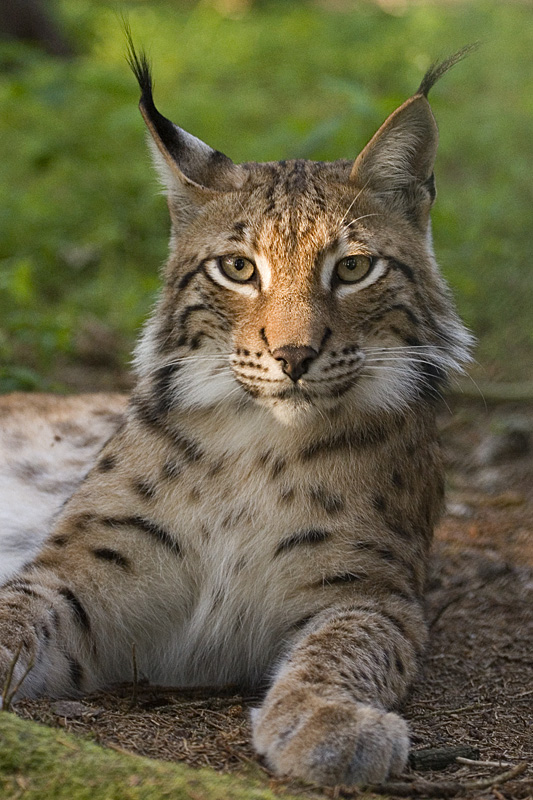
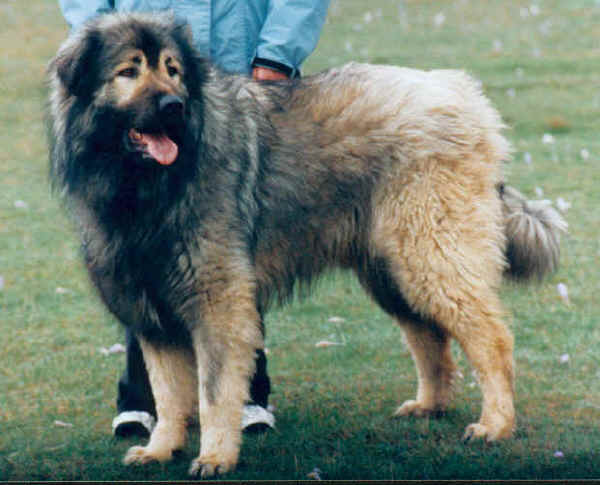


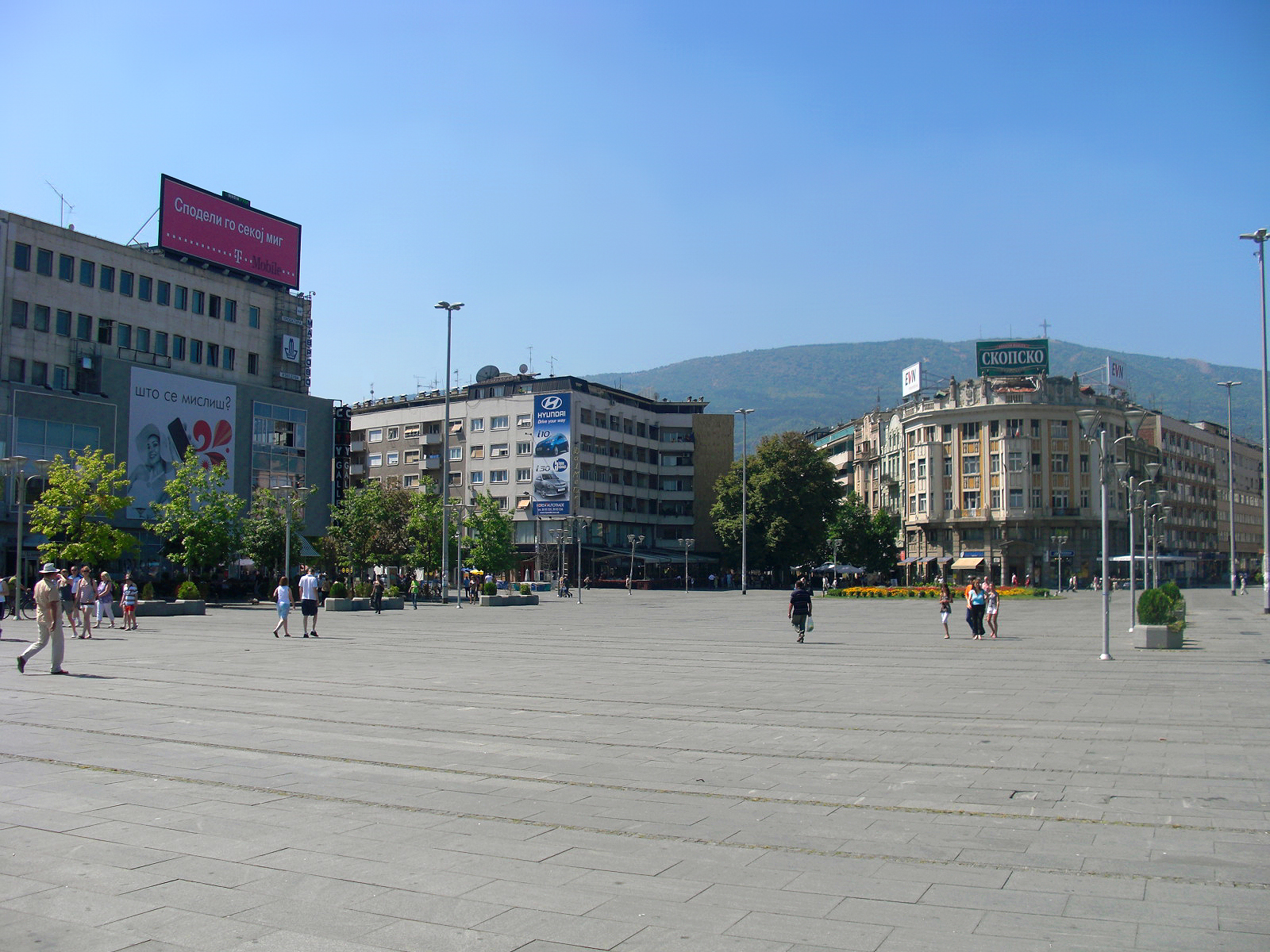


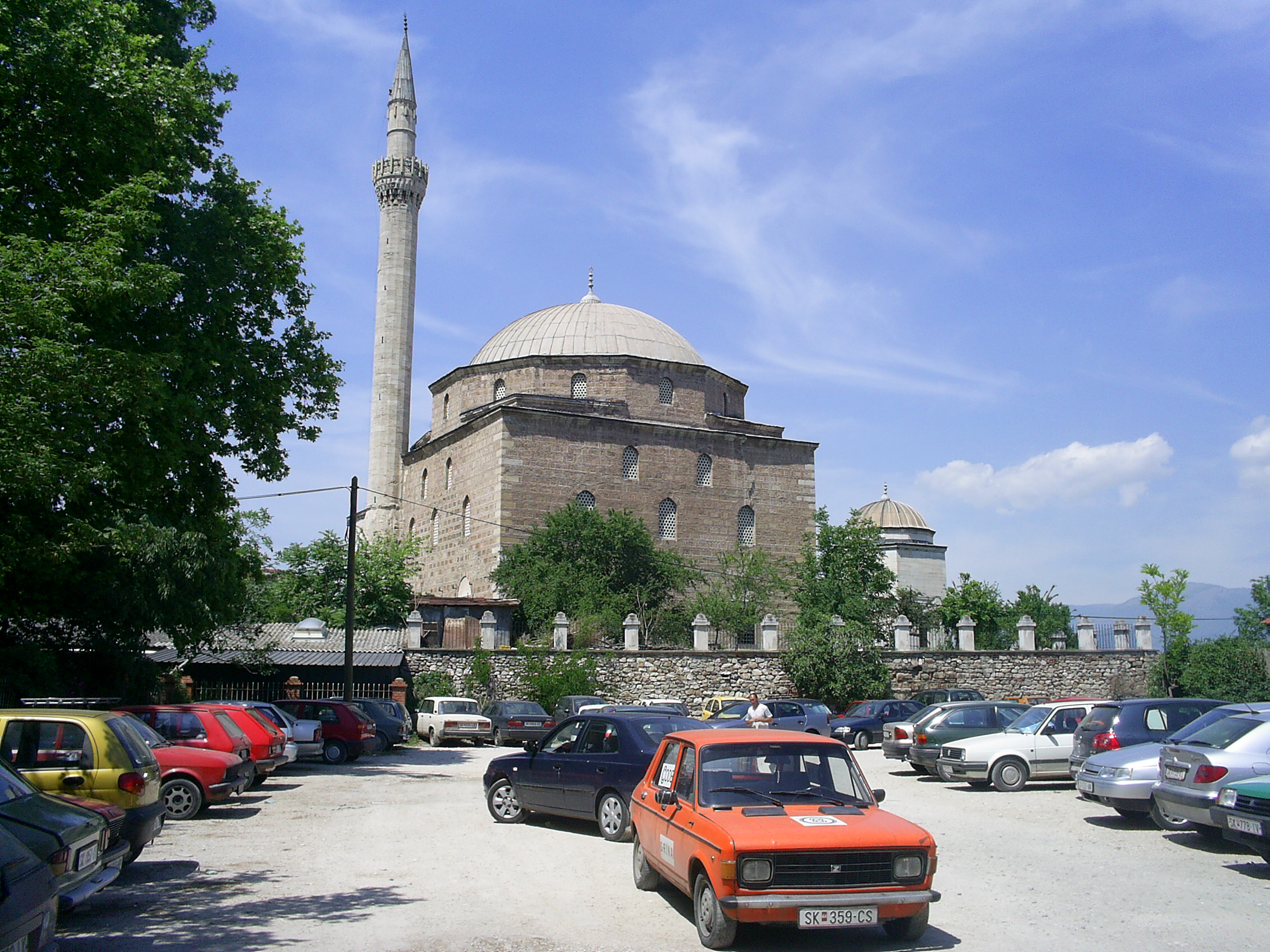


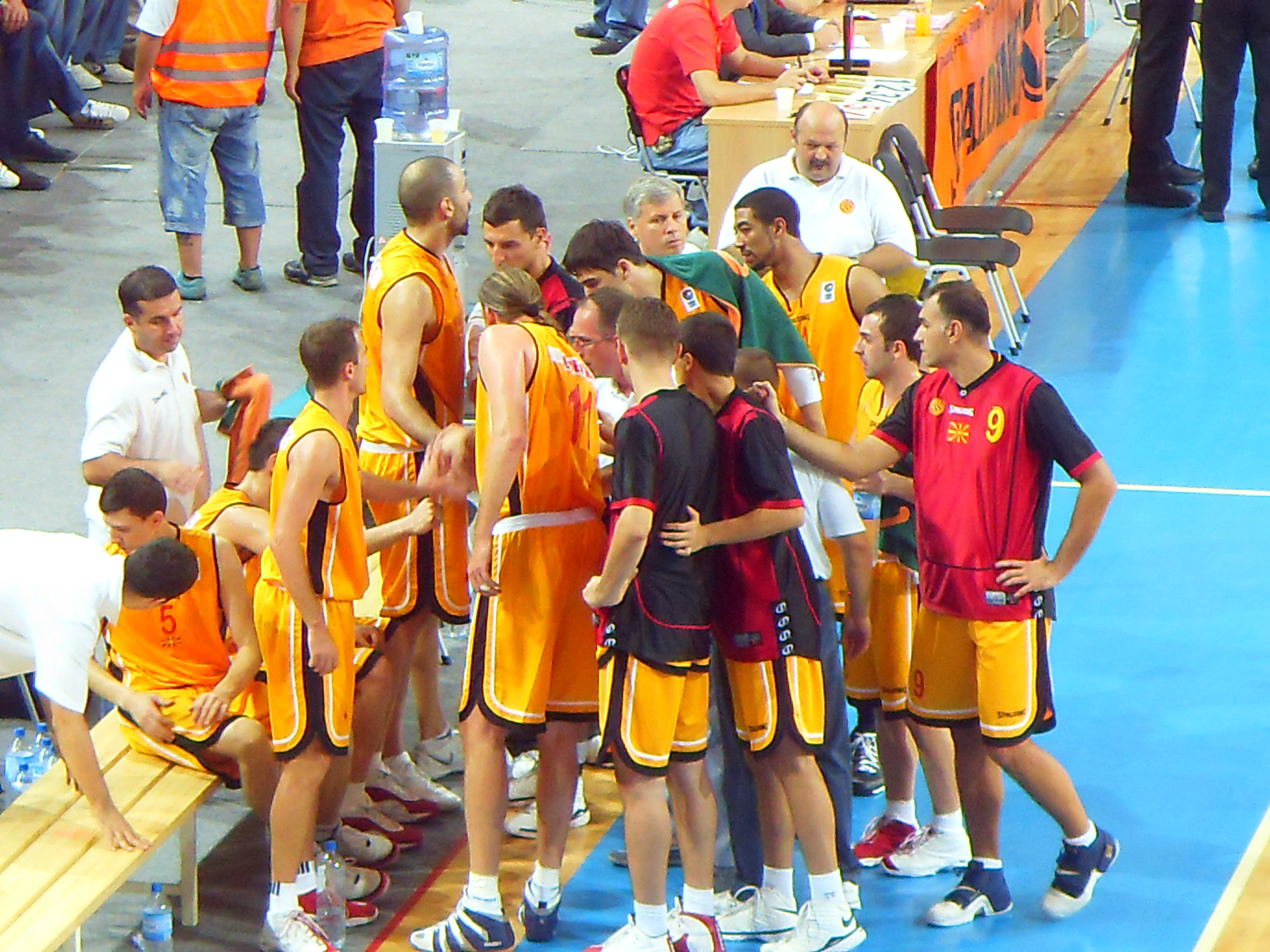


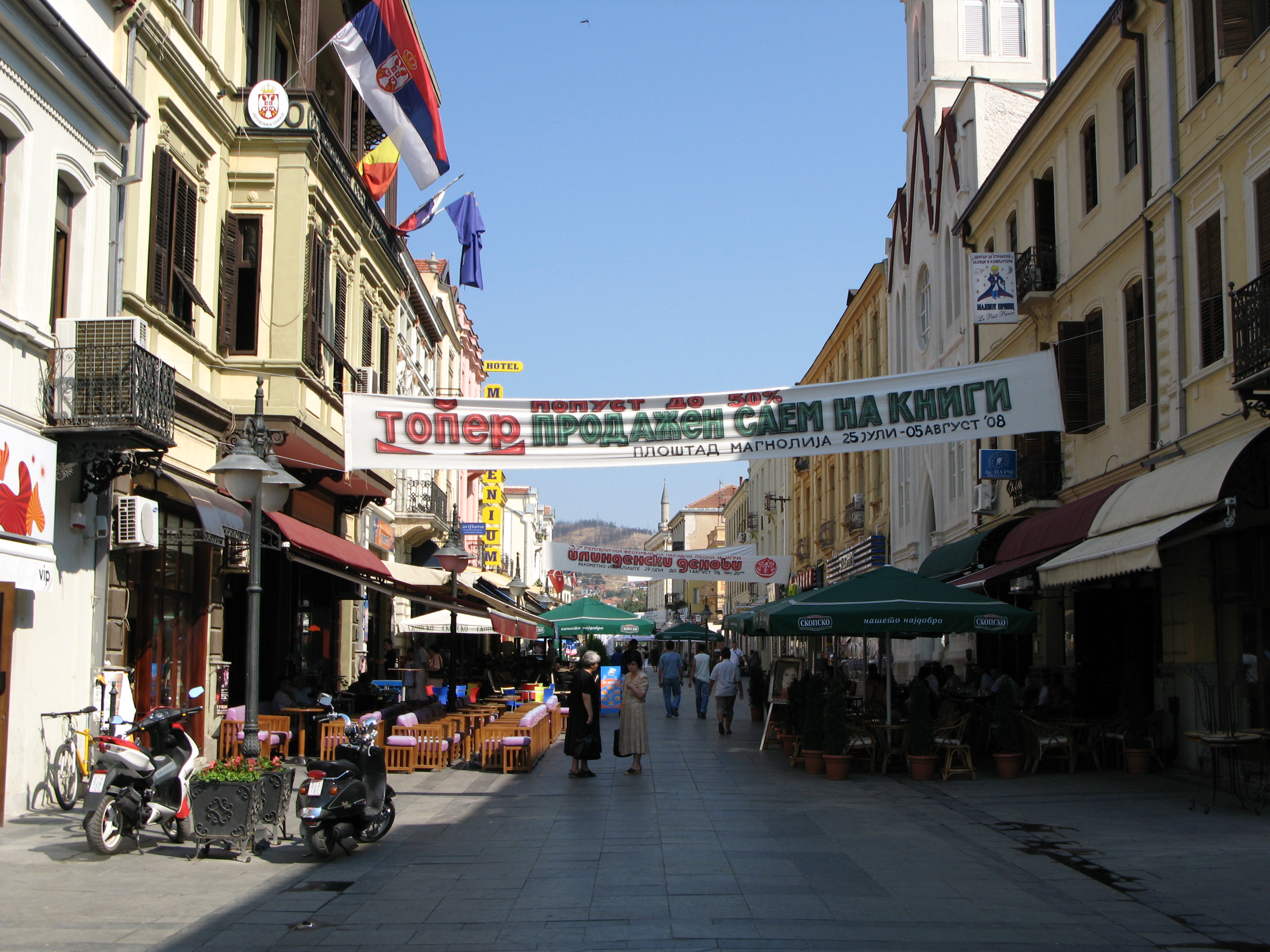
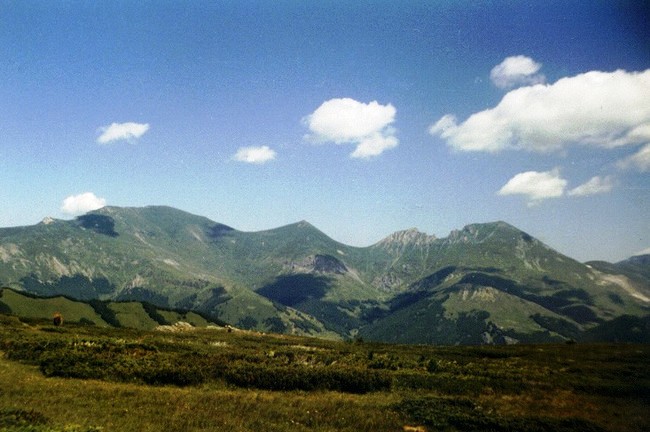
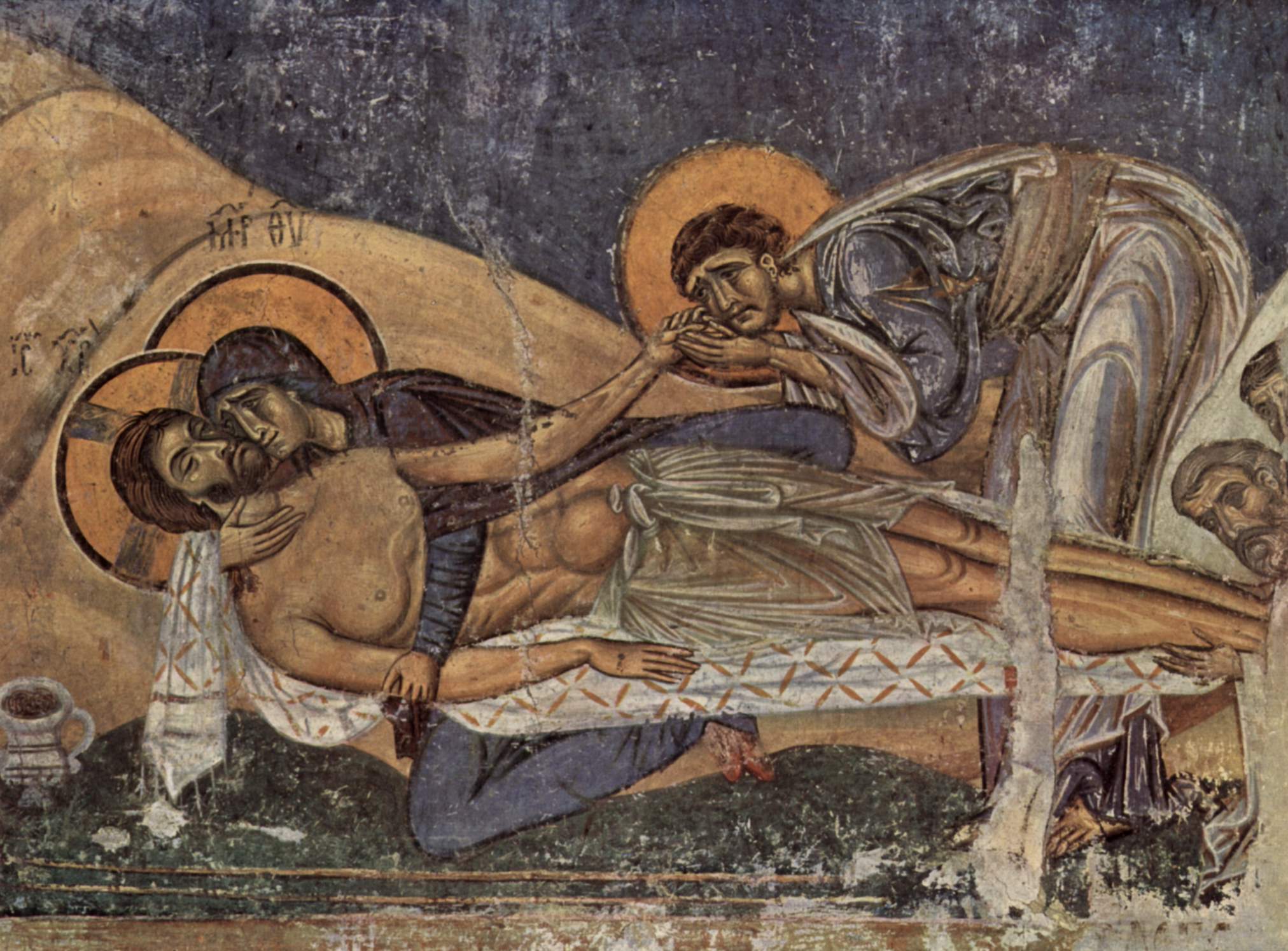


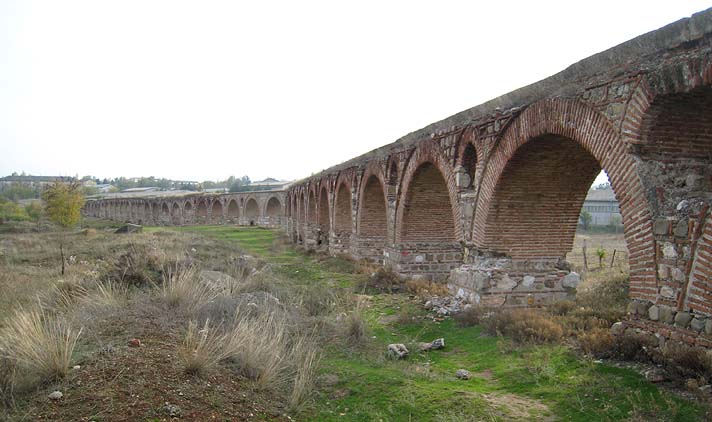
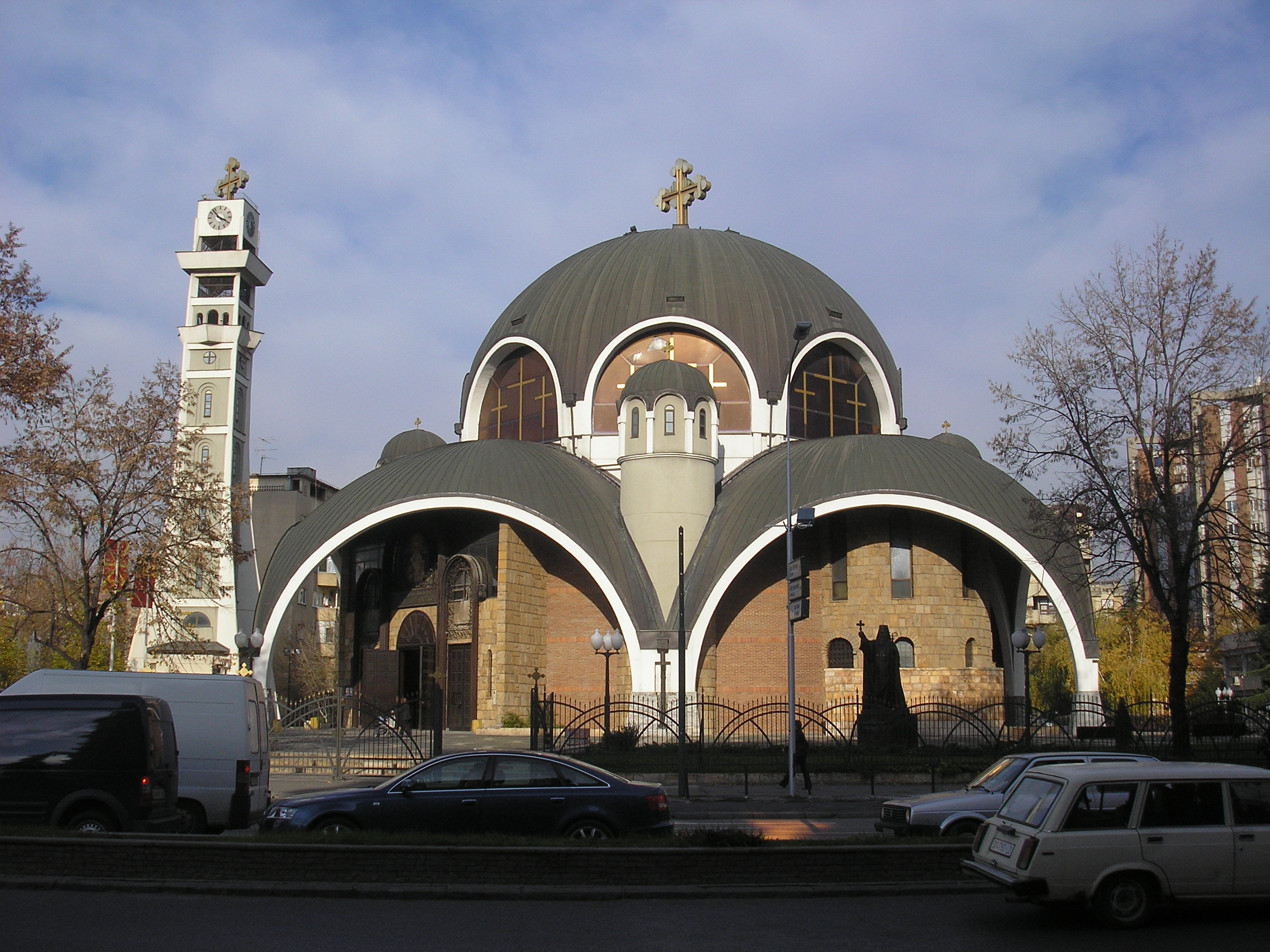







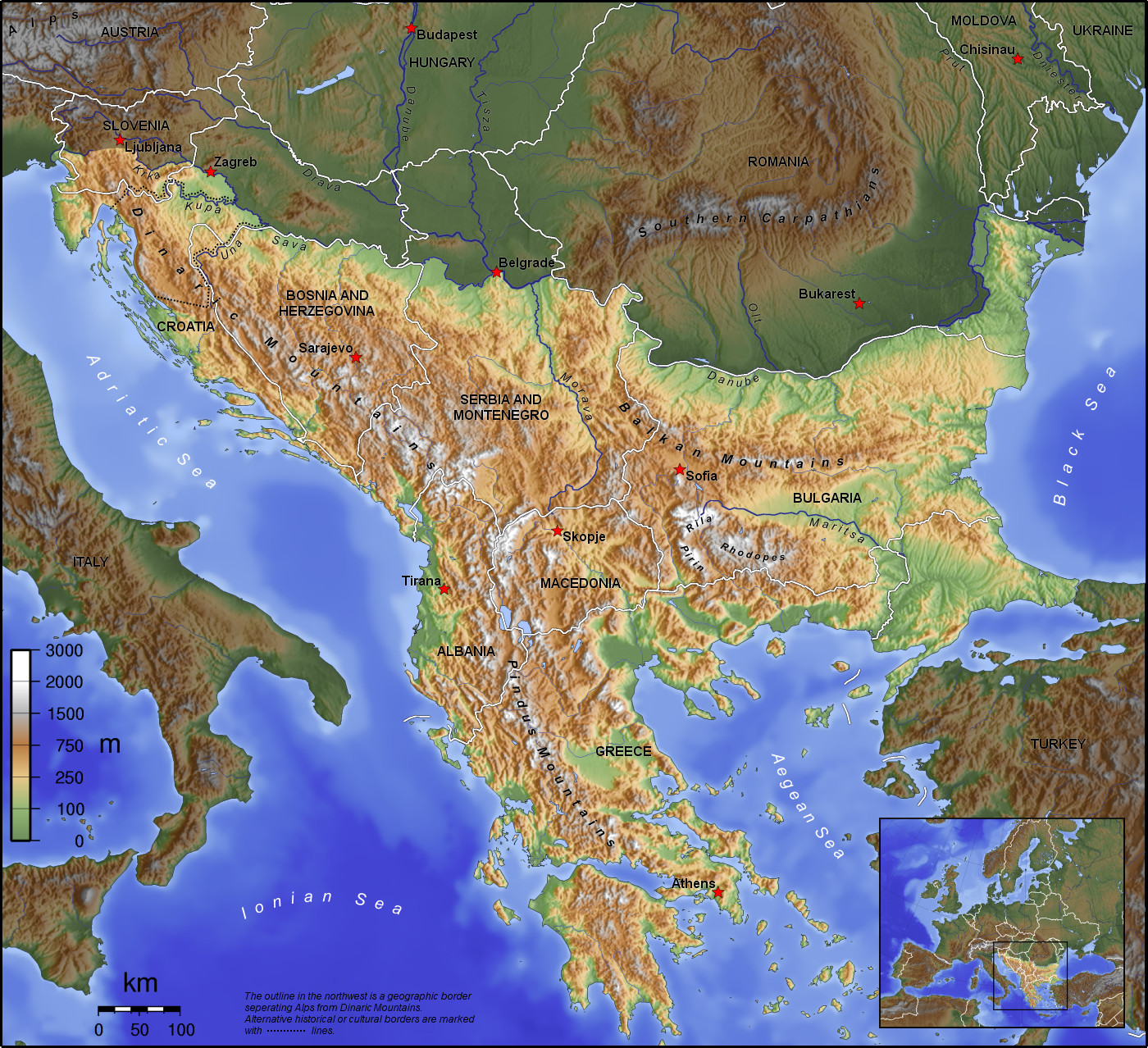




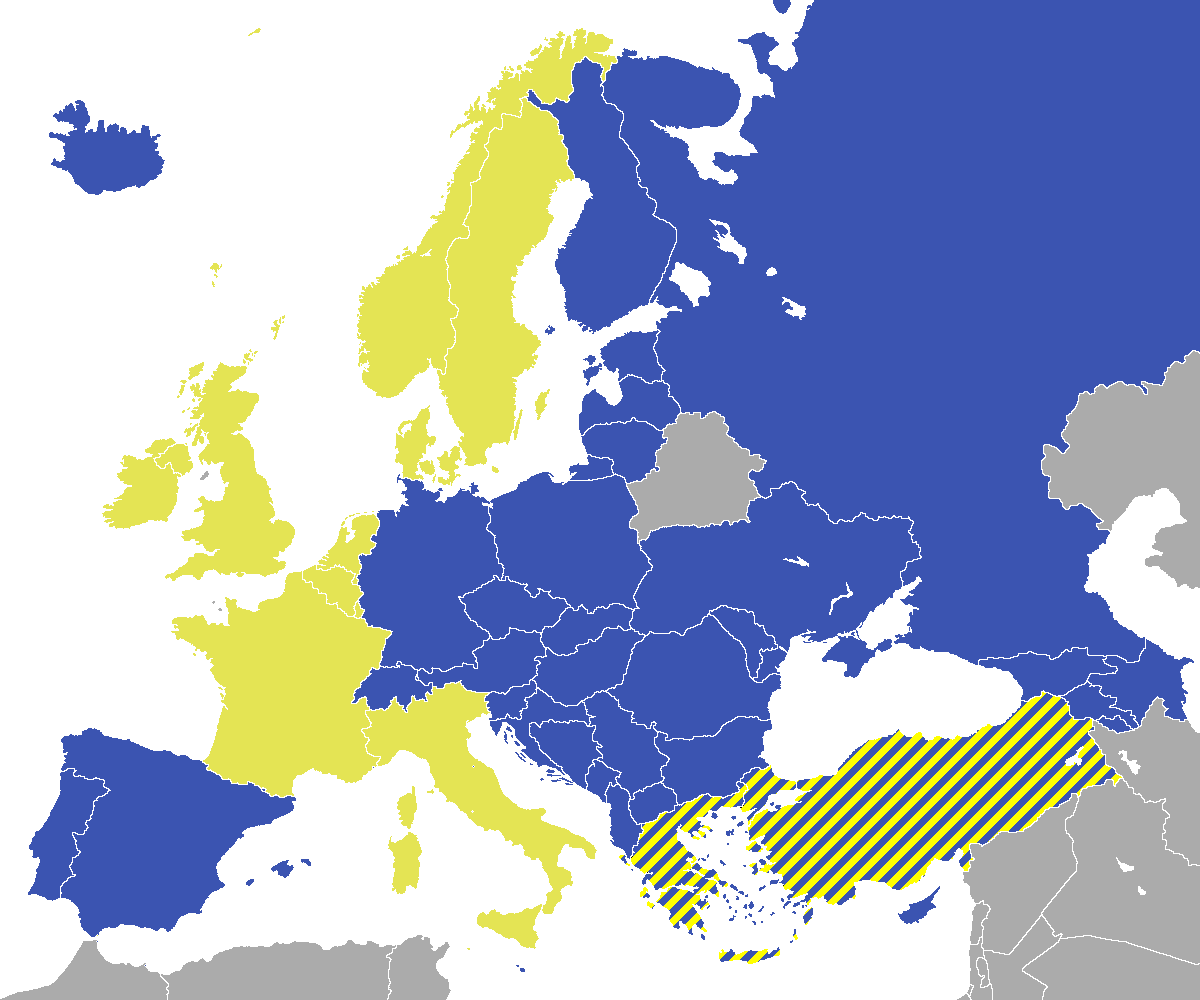


Wikimedia Foundation. 2010.

